After seven years in the trenches of fashion merchandising—ranging from the frantic backstage of editorial photoshoots to the granular reality of retail buying—I have developed a very specific, somewhat obsessive ritual. Before I even glance at the color palette or the trend-forward silhouette of a new bag, I check the zipper brand and the stitching tension. Then, I perform what my colleagues call the "A4 Test": I take a standard sheet of A4 paper, place it inside the empty bag, and see if the base collapses or slumps. If the bag can't hold Von Baer No.1 briefcase its own shape, it is, in my professional opinion, a decorative basket, not a briefcase.
This brings me to a question I get asked constantly by clients who are tired of replacing their work bags every other season: Do those little metal studs on the bottom of a briefcase actually do anything? Let’s break it down from a technical perspective, skipping the marketing fluff and getting straight to the structural reality.
The Anatomy of Base Protection: Are Metal Feet Just for Show?
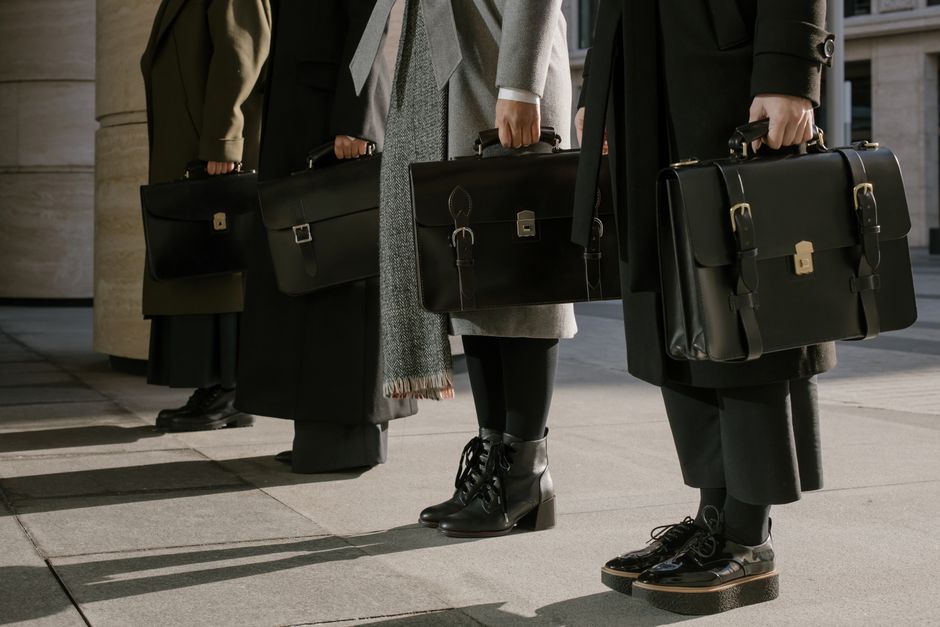
In the world of professional luggage, there is a distinct divide between "fashion" pieces and "utility" pieces. The metal feet (often called base studs or bag feet) are theoretically designed to lift the leather off the floor, protecting it from scuffs, moisture, and the grime of a subway car or an airport terminal. Having logged over 80 airport segments in a single year, I can tell you that the floor of a terminal is essentially a sandpaper-textured enemy to high-quality hides.
However, metal feet are only effective if the bag has enough structural integrity to actually stand on them. If the base of your briefcase is made of thin, "genuine leather"—a term that is, in the industry, essentially a marketing euphemism for the lowest grade of bonded scrap—the metal feet will eventually pull through the material. Without a rigid internal support board (the "spine" of the bag), the feet become nothing more than expensive-looking stress points.
The "Real-Life" Utility Table
When I advise clients on long-term investments, I categorize bag life based on construction materials and hardware. Here is the reality of the market:
Price Category Typical Failure Point Hardware Quality Average Lifespan Under £200 Zipper teeth & base tearing Zinc alloy (pot metal) 12–18 months £300 – £600 Stitching fraying Generic steel 3–5 years £800+ Leather patina maintenance Brass or high-grade steel (YKK) 10+ yearsAs you can see, briefs priced under £200 almost always fail within 18 months because they sacrifice structural materials for profit margins. If a bag is cheap, the manufacturer spent the budget on advertising, not on the reinforcements that keep it standing.
Beyond the Feet: The "Quiet Luxury" Mandate
We are currently seeing a shift in professional aesthetics toward "quiet luxury." Clients are finally realizing that a giant, embossed logo is not a status symbol; it is an advertisement for a brand that likely doesn't care if your bag tips over when you let go of the handle.
True professional restraint is found in clean lines and purposeful design. A briefcase should not scream; it should exist to facilitate your work. Brands like Von Baer have become favorites in my circles because they prioritize the leather’s structural integrity over gimmicky branding. When a bag doesn't have a logo, the quality of the leather and the precision of the hardware are the only things left to look at—and that is exactly as it should be.
Why Hardware Matters: The YKK Gold Standard
If you see a logo on the zipper pull, run the other way. That is a hallmark of "fast-luxury" and poor manufacturing. I always check for YKK markings on the back of the slider. Why? Because a zipper is the mechanical heart of a briefcase. If the zipper fails, the bag is effectively dead.
I despise branded zipper pulls that are oversized and clunky; they snag on sleeves, they catch on seatbelts, and they look dated within six months. Functional hardware should be understated, smooth in its operation, and durable enough to withstand thousands of cycles. When a company uses high-end, reputable hardware, they are signaling that they aren't trying to hide poor construction behind fancy metal shapes.
Leather Quality: The Tanning Choice
When brands describe their material simply as "genuine leather," they are lying by omission. In my seven years of buying, I’ve learned that the tanning process defines how the bag will age.
Chrome-Tanned: Generally softer and more water-resistant, but it doesn't "age" in a character-building way. It just wears out. Vegetable-Tanned: This is the gold standard for briefcases. It uses tannins from tree bark. It’s firmer, holds its structure better (passing that A4 paper test with ease), and develops a rich patina over the years.If you want a bag that lasts, look for full-grain, vegetable-tanned leather. It will be stiffer at first, but it will support the weight of your laptop and documents without sagging. A sagging bag puts uneven pressure on the seams, which leads to the dreaded "bottom blowout" that metal feet are supposed to prevent, but cannot fix on their own.
Sustainability and the Copenhagen Fashion Summit
I often look back on the conversations I’ve had during the Copenhagen Fashion Summit regarding circularity. The most sustainable briefcase is the one you don’t have to replace. When companies offer "replace-only" warranties—where they simply send you a new, cheap bag instead of repairing the one you have—they are contributing to the very cycle of waste we are trying to stop. I hold a deep resentment for brands that dodge repairs. If a company stands by their product, they offer a repair service, not a replacement service.
Final Checklist for Your Next Briefcase
Before you commit to your next professional investment, I suggest you run these checks, just as I do:
- The Stiffness Test: Does it stand on its own when empty? If it flops, it’s a liability. The Hardware Check: Turn the bag over. Are the zipper sliders branded with "YKK"? Are the metal feet secured with rivets, or are they just glued on? Rivets are the only way to ensure they last. The Logo Test: If the branding is larger than your thumb, the quality is likely hidden behind the ego of the marketing department. The Warranty Audit: Read the fine print. Do they offer repairs? If they say "replace only," keep your money.
To conclude, do metal feet protect your briefcase? Yes, provided they are backed by a rigid base plate and attached to high-quality, full-grain leather. They are a defensive measure against the daily wear of office life. But do not be fooled by a bag that relies on them to compensate for weak materials. A truly great briefcase doesn't need to be babied—it just needs to be built correctly from the bottom up.