Listen, I’ve spent nine years behind a claims desk and six years deconstructing the fine print for frustrated households. If you own a French Bulldog, you aren’t just a pet owner; you’re the custodian of a breed that is essentially a furry, high-maintenance science experiment in dermatological and respiratory complexity. When your vet drops the "A-word"—allergy—and suggests a hypoallergenic prescription diet, the first thing you think about is the cost. The second thing you wonder is: Will my insurance actually cover this?
Most pet insurance marketing is designed to make you feel warm and fuzzy. I’m here to make you feel informed, annoyed at the industry, and ultimately, smarter about your policy.
The Translation: What Insurers Actually Mean
You’ll see the term ‘Annual Benefit Reset’ thrown around a lot. In plain English: The insurer wipes your ivdd surgery cost uk claim counter to zero every time your policy renews, ensuring that your dog's long-term, chronic health condition doesn't permanently run out of funding.
The Frenchie Factor: Why Your Breed Dictates Your Policy
If you have a Frenchie, you aren't looking for a 'budget' policy. You are looking for a risk-mitigation strategy. French Bulldogs are prone to atopic dermatitis, fold pyoderma, and a laundry list of food sensitivities. If you go for a cheap, non-lifetime policy, you are setting yourself up for financial disaster.
When a chronic condition like skin allergies is diagnosed, a non-lifetime policy will cover it until the pot runs out or the policy period ends, and then—poof—it’s classified as a 'pre-existing condition' and excluded from all future renewals. You need a Lifetime policy. Full stop. No exceptions.
The Prescription Diet Trap
Here is the reality that insurance companies hate to broadcast: Most standard policies do not cover prescription diets.
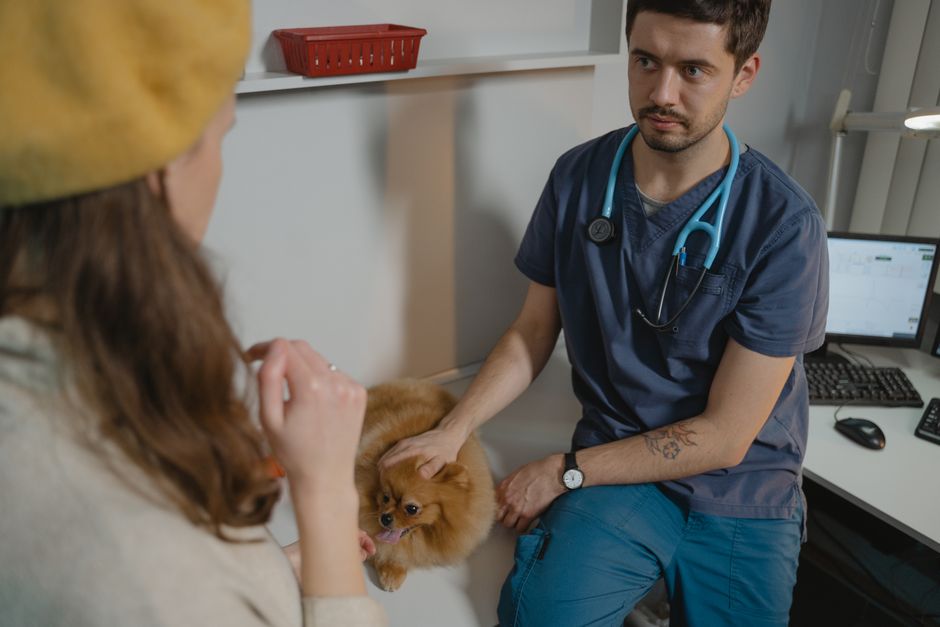
Even if your vet insists that your Frenchie needs that specific brand of rabbit-and-pea kibble to stop their skin from weeping, insurers usually classify food as 'routine maintenance' or 'nutritional support,' which is almost always excluded. However, some providers offer a sliver of hope under 'Complementary Treatments.' If the food is strictly prescribed to treat a specific, diagnosed medical condition rather than just 'sensitive skin,' you might get a payout—but only if you have the right level of cover.
The Big Three: Who Actually Understands Breed Risk?
I’ve looked at hundreds of wordings. When you’re dealing with the specific, ongoing costs of a Frenchie, three names come up consistently because they actually build their products for chronic, high-claim breeds.

- Petplan: They are the gold standard for a reason. Their 'Covered for Life' policies are robust. They understand that a Frenchie’s skin condition isn't going to vanish, and they don't look for ways to drop you at renewal. Agria: They are uniquely 'breed-aware.' Because they work closely with breeders and vets, their policies often include breed-specific coverage that other insurers miss. If you want a policy that understands the life-long implications of Frenchie health, they are a serious contender. ManyPets: They’ve disrupted the market with a heavy focus on digital-first claims and, crucially, some plans that offer more flexible cover for things like dental or behavioural, which often go hand-in-hand with the stress of chronic allergies.
Don't Sort by Price: The Cruciate Example
I get genuinely annoyed when I see people sorting policies by 'lowest price.' It’s the fastest way to buy a policy that fails when you actually need it. Let’s look Browse around this site at a common, non-allergy example: the dreaded cruciate repair.
If your Frenchie tears a cruciate ligament, you are looking at a bill of roughly £5,000. If you bought the 'cheapest' policy, you might find your per-condition limit is £2,000. You are left with a £3,000 bill and a dog who can't walk properly. When choosing between providers, ignore the monthly premium difference of £5 and look at the total annual limit. If the limit is too low, the 'cheap' policy is actually the most expensive one you could have bought.
My Running List of 'Gotcha' Clauses
Insurers love to hide the sting in the tail. Keep an eye out for these:
Bilateral Exclusions: If your Frenchie has a hip issue on the left, some policies will automatically exclude the right hip, even if nothing is wrong with it yet. Age-Based Co-payments: Once your dog hits 7 or 8, some insurers insist you pay 10-20% of the claim *plus* your excess. It’s a sneaky way to shift costs onto you. The 'Pre-existing' Trap: If your vet noted 'mild redness' on a puppy check-up, an insurer might use that to exclude all future skin claims as 'pre-existing.' Always have your vet clarify notes at the first sign of anything. Prescription Food Exclusions: Read the section on 'Dietary Needs.' Most will explicitly state that diets, even prescribed ones, are excluded.The 'Sanity Check' Before You Buy
Before you click 'Buy' on that insurance policy, ask yourself these three questions:
- "If my Frenchie develops a chronic skin condition that costs £1,500 a year for life, will this policy cover it for the next 10 years, or just the first one?" "Does this company offer an app for claims, or am I going to be posting paper forms like it’s 1995?" "Have I checked the 'Excess'—is it a fixed amount, or a percentage that scales with the cost of treatment?"
The Bottom Line
For French Bulldog owners, allergy treatment cover is not a luxury; it’s a standard requirement. The cost of long-term meds like Apoquel or Cytopoint, combined with regular dermatology consultations, adds up. Don't be fooled by headline prices. Look for Lifetime policies with high annual limits. Use the digital/app-first management tools offered by providers like ManyPets or the robust, proven reputation of Petplan and Agria.
Insurance is about buying peace of mind. If you buy a policy that makes you feel anxious about every vet visit because you’re worried about 'caps' and 'exclusions,' you haven't bought insurance—you've bought a subscription to stress. Get the right cover, do your research, and spend more time playing with your dog rather than fighting with an insurance call centre.