There’s something magic about spotting a hidden reference in a song lyric — that moment when a phrase or a line clicks, and suddenly the song feels richer, smarter, or even like a secret handshake between artist and listener. Whether it’s a clever lyric callback to an earlier track, an Easter egg tucked into a verse, or wordplay that references music history or pop culture, these hidden gems deepen the experience of music.
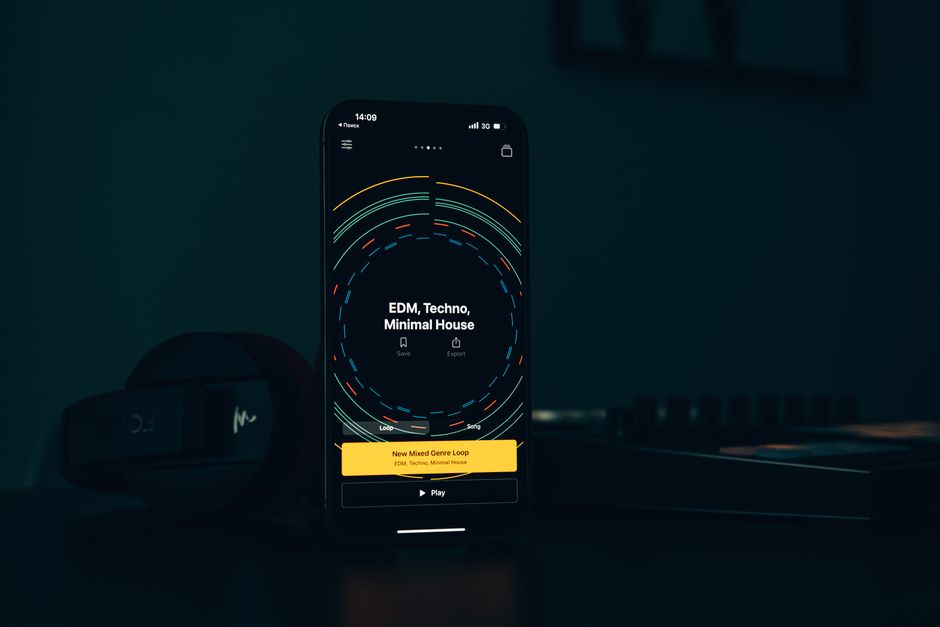
Today’s music landscape, shaped by streaming services and curated playlists, changes how listeners discover and remember those lyrical secrets. Plus, institutions like the Recording Academy and Grammy Awards often spotlight songs that showcase storytelling brilliance, including how artists layer their lyrics.
Why Hidden References in Lyrics Matter
Hidden references in lyrics work because they engage our brains in storytelling and memory. Songwriting isn’t just about catchy melodies or rhymes; it’s a form of storytelling layered with nuance, ambiguity, and sometimes mischief. When artists use “lyric callbacks” or embed “Easter eggs in songs,” they invite listeners to dig deeper, making the act of listening more interactive and rewarding.
Lyrics and Memory: How We Recall What We Hear
Memory plays a big role. When you first hear a song, you might groove to the beat or hum the chorus. But hidden references ask you to listen again — or better yet, listen in a playlist or at a concert where you already know the song well. This re-listening triggers memories tied to earlier tracks, emotional moments, or cultural touchpoints.
- Example: Taylor Swift’s “All Too Well” (and its 10-minute version) contains callbacks to earlier songs from her catalog, weaving a narrative that fans trace across multiple albums. Each lyric works better once you recognize the references. Memory and storytelling: These callbacks create a feeling of continuity and layered storytelling that can turn a song into a saga.
Storytelling in Songwriting: Beyond Surface Meaning
Good songwriters know how to use hidden references not just to be “clever” but to enrich the story they’re telling. A lyric might subtly reference a historical event, a personal anecdote from the artist’s life, or even inside jokes shared with fans. These details don’t always change the overall theme but add depth and texture.
Consider how artists use wordplay and double meanings—sometimes a single line functions on multiple levels. For example, a lyric might sound romantic but also allude to a social issue or pop culture event. This multiplicity allows listeners to take away different meanings based on their own experiences.
What are Lyric Callbacks and Easter Eggs in Songs?
“Lyric callbacks” and “Easter eggs in songs” aren’t just fleeting trends; they’re essential tools in the songwriter’s arsenal to create layers of meaning and emotional engagement.
Lyric Callbacks
Lyric callbacks happen when an artist repeats or references a specific phrase, theme, or motif from an earlier song or earlier in the same song. It creates a throughline and can reward longtime fans.
Often used in concept albums or artist discographies. Examples include artists who build narratives across multiple albums, like Kendrick Lamar or Beyoncé. Artists sometimes hint vaguely at private stories or cultural touchstones this way.Easter Eggs in Songs
Easter eggs are subtle references or hidden messages embedded within songs — sometimes inaudible to casual listeners or only audible at certain speeds or using specific listening tools.
- These can be musical motifs, sonic snippets, or lyrical references. Hidden backmasking or reversed audio have been used famously. Sometimes they reference collaborators, past hits, or musical influences.
Fans love hunting for them, creating a dynamic where songs remain relevant longer as listeners find new surprises.

Streaming Services and Curated Playlists: Impact on Discovering Hidden References
In the age of streaming, how we find and interact with music—and its hidden lyrical gems—has evolved. Platforms like Spotify, Apple Music, and Tidal offer curated playlists, algorithmic recommendations, and lyric displays, changing discovery and interpretation.
Streaming Allows Repeated Listening and Lyrics Exploration
The ability to replay a song hundreds of times with lyrics synced on-screen lets listeners catch lyric callbacks or Easter eggs more easily. For example, someone road-tripping with a playlist that includes multiple tracks by the same artist can suddenly notice those thematic or lyrical echoes that deepen understanding.
Many streaming services also support third-party tools, such as mr Q (mrq.com), which enhance lyric engagement by providing rich annotations, user discussions, and trivia about songs. This collaborative approach to lyric meanings helps spotlight hidden references and interpretive mysteries.
Curated Playlists Spotlight Artistic Storytelling
Curators, whether human or algorithmic, often highlight songs praised by entities like the Recording Academy and Grammy Awards for storytelling or lyrical craftsmanship. Playlists centered around “Best Storytelling,” “Hidden Meanings,” or “Songwriting Brilliance” bring these songs into focus, inviting listeners to appreciate the layers.
Concrete Examples of Hidden References in Lyrics
To really grasp how hidden references work, it helps to look at specific, relatable music experiences. Think of concerts, road trips, or playlist marathons where spotting a lyric callback changes everything.
Artist / Song Type of Hidden Reference Effect on Listener Kendrick Lamar – “DUCKWORTH.” Lyric callback referencing personal history and earlier tracks Unpacks layers of storytelling about fate and family, rewarding deep listening Beyoncé – “Lemonade” album Multiple callbacks and Easter eggs referencing personal and political themes Creates a complex narrative about identity, betrayal, and resilience Radiohead – “OK Computer” album Recurrent lyrics and musical motifs serving as callbacks Deepens themes of technology and alienation, enhanced by concert setlistsWrapping Up: What Do Hidden References in Lyrics Really Mean?
Here’s the key: there’s no single “correct” meaning for hidden references in lyrics. They function as invitations—ways for artists to share private jokes, layered meanings, or emotional echoes. As listeners, it’s fun to chase these Easter eggs during a long drive, at a live show, or while exploring a curated playlist that leads us from one lyrical universe to another.
Whether elyrics.net a hidden reference brings nostalgia, sparks curiosity, or simply makes you smile knowing you caught something others might miss, these details are part of why music is endlessly fascinating. So next time you hear a lyric that feels familiar or throws you off, ask yourself: what might that line be calling back to? What stories is the artist telling beneath the surface?
And thanks to tools from streaming services and platforms like mr Q, along with recognition from halls of fame like the Grammy Awards and organizations such as the Recording Academy, we have more ways than ever to dive into the rich world of lyrical storytelling.
```