One of the trickiest parts of caring for a newborn can be figuring out how to dress them properly — especially when the weather is unpredictable or when you're worried about keeping them warm without causing overheating. Many new parents wrestle with the question: Am I putting too many layers on my baby? This thoughtful guide will help you read the signs that your baby might be too hot, explain how to check their temperature safely, and offer practical tips for creating a newborn wardrobe that works in the real world, not just in photo-perfect nursery setups.
Why Baby Layering Matters
Newborns can’t regulate their temperature as well as adults, making them particularly sensitive to cold and heat. The NHS advises parents to avoid overheating newborns while ensuring they stay comfortably warm. Overheating is linked to increased risks like Sudden Infant Death Syndrome (SIDS), so it’s essential to get layering right.
While cute outfits might be tempting, practical newborn clothing that allows for flexibility and comfort wins every time. By understanding the right amount of clothing and the signs of overheating, you can confidently dress your baby for any weather.
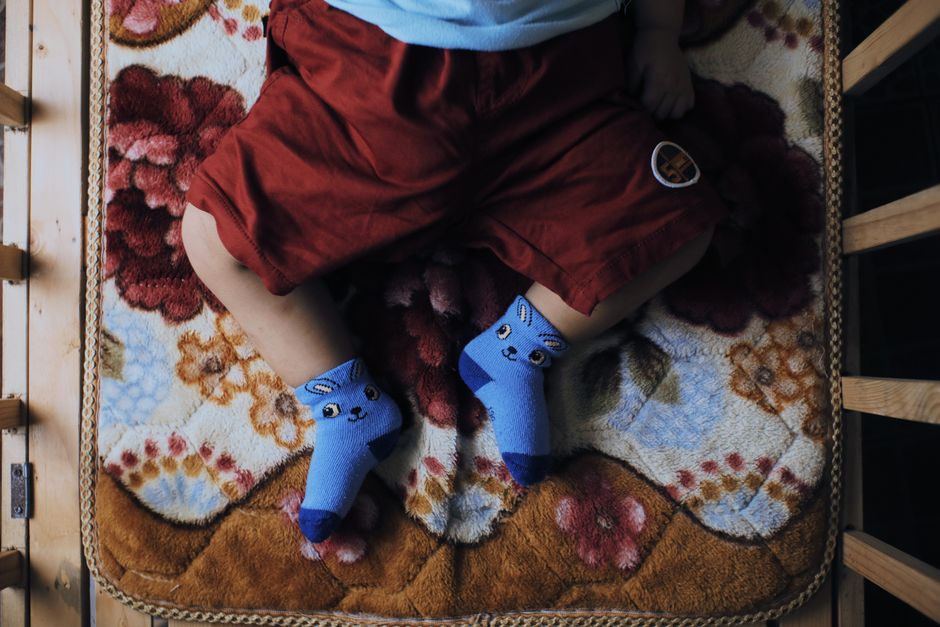
Signs Your Baby Is Too Hot
How can you tell if your baby is overdressed or too warm? The best way is to look for physical signs and check their temperature.
- Baby’s neck feels hot or sweaty: Feeling the back of your baby’s neck is the best real-time thermostat. The NHS and experts from 3 Little Crowns both recommend this method. If the neck feels hot, damp, or sweaty, this is a sign your baby might be overheating. Flushed cheeks or damp hair: Red, warm skin or damp hair can both indicate overheating. Restlessness or unusual fussiness: While many things can make babies upset, overheating discomfort is a possibility. Rapid breathing: Overheating can cause your baby to breathe faster than usual. Heat rash or mottled skin: These can sometimes appear if the baby is overheated.
If you notice these signs, it’s time to peel back a layer or two or adjust the room temperature accordingly. Remember, it’s much safer to add layers later than to have to remove too many at once in the middle of the night!
How to Check Baby’s Temperature Safely
Instead of relying on your hands or guesswork, the NHS recommends checking your baby's temperature by touching their neck or back. This avoids the extremes of hands and feet that often feel cooler and can mislead you.
- Feel the back of the neck or tummy: These areas give a better sense of core temperature. Avoid checking hands or feet: Babies often have cooler extremities even when they're warm. Use a proper thermometer for a more accurate reading: If you want to be precise, a digital thermometer is great, but for everyday layering, feel is enough.
Building a Practical Newborn Wardrobe
Rather than buying lots of elaborate outfits, focus on https://smoothdecorator.com/how-many-sleepsuits-should-i-buy-before-baby-arrives/ key pieces that can be easily layered or removed. According to advice from 3 Little Crowns and NHS guidelines, these wardrobe staples make life way easier:
Clothing Item Why You Need It Layering Tips Vests (Short or Long Sleeve) Essential base layer that keeps baby snug without bulk. Use as a first layer under sleepsuits or cardigans. Sleepsuits/Onesies Soft all-in-one outfit, perfect for warmth and ease of changing. Choose cotton for breathability; add a vest underneath if cold. Cardigans or Lightweight Jumpers Provide extra warmth that can be removed indoors. Layer over vest and sleepsuit for chilly days. Bibs/Wraps Keep clothing clean – practical for feeding. Use to protect layers so you don’t have to change whole outfits often. Cotton Hats Help keep baby warm outdoors or in cool rooms. Remove hats indoors or during sleep to avoid overheating.Stocking up on several of each (especially vests and sleepsuits) means you have plenty to change quickly when your baby has a wriggly, wet, or spit-up-filled moment. You don’t need a ton of fancy clothing; focus on comfort and layers that adapt.
Layering for Unpredictable Weather
The great British weather is newborn clothes checklist famously changeable — and newborns can't tell us if they’re chilly or too hot. Layering offers the flexibility you need to adapt quickly:
Start with a vest or light sleepsuit: This base layer keeps baby comfortable most of the time indoors. Add a second layer if it’s cooler: A long-sleeve sleepsuit or cardigan extends warmth. Use a hat outdoors: Especially with wind or colder temperatures, a soft cotton hat helps retain body heat. Use a lightweight blanket or baby sleeping bag: These can add warmth without the risks of loose blankets in the cot. Adjust layers frequently: If baby is sweating or restless, check and remove layers as needed.A good rule of thumb is to dress your baby in one more layer than you're wearing yourself. If you’re comfortable in a t-shirt and cardigan, your baby might do well with a vest and a sleepsuit plus a layer like a cardigan or lightweight blanket.
How to Avoid Overheating Your Newborn
Overheating newborns is a concern raised by both the NHS and baby-care experts like 3 Little Crowns. Here are clear strategies to help you avoid overheating while keeping your baby safe and cozy:

- Choose breathable materials: Cotton is the gold standard for baby clothes since it lets air circulate and absorbs sweat. Limit thick layers when indoors: Homes with central heating can get warm quickly, so don’t overdress indoors. Use baby sleeping bags with suitable tog ratings: Tog ratings tell you how warm the sleep sack is. Choose a lighter tog for summer and heavier for winter. Never cover your baby’s face or head during sleep: Babies lose heat mostly through their heads, but covering them can lead to overheating. Hats should come off for naps. Check baby regularly, especially in the first few months: Feel their neck to monitor body temperature and adjust clothing accordingly. Keep the room temperature steady: The ideal nursery temperature is typically 16-20°C (61-68°F).
Quick Tips: Stuff You Will Run Out Of at 2AM
In those middle-of-the-night diaper changes and unexpected spit-up incidents, having enough vests and sleepsuits on hand is a lifesaver:
- Keep at least 5-7 vests available — you’ll be changing a lot more often than you expect. Have 5-7 sleepsuits in rotation, ideally easy-change designs with front snaps or zippers. Stock extra cardigans or lightweight jumpers during cooler months for easy layering.
This stocking-up approach means you’re never caught without warm, clean clothing for your baby and can keep your little one comfortable without frantic last-minute runs.
Final Thoughts
Knowing when you’re over-layering your baby comes down to watching their cues and keeping it simple. The gold-standard advice from the NHS and trusted parenting resources like 3 Little Crowns agrees: the easiest and safest way to check baby’s temperature is by feeling their neck, dressing them in breathable layers, avoiding thick, bulky clothes indoors, and always being ready to adjust layers as needed.
Remember, practical newborn wardrobe basics—not just pretty outfits—will keep your baby safe, cosy, and comfortable. With some planning, a flexible layering system, and regular checks, you can confidently avoid overheating newborns and enjoy those precious early months.