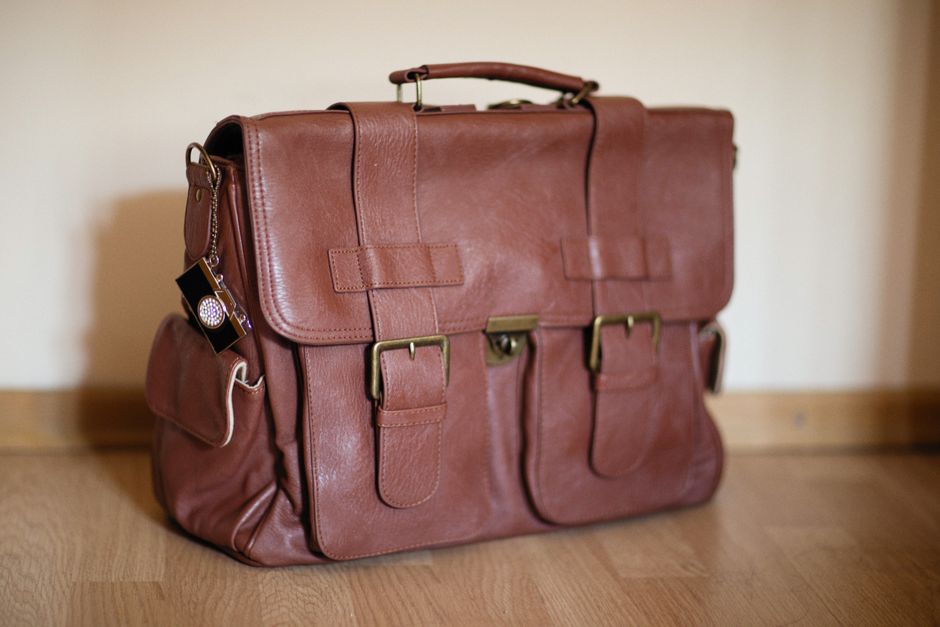
If you spend your days hauling around important contracts, reports, or carefully printed presentations, the last thing you want is a work bag that turns your documents into a rumpled mess. A bag that keeps your paperwork flat and crisp isn't just a small luxury—it’s a professional necessity.
With so many styles and options to choose from, how do you find a bag that truly supports your real daily needs? Whether you lean toward a work briefcase, a messenger bag, a tote, or a backpack, this guide arms you with practical tips, smart tools, and insider checks to help you pick a structured bag that keeps documents flat—not creased.
Start by Listing Your Real Daily Carry
My very first question for anyone shopping for a work bag is, “What exactly do you carry every day?” I insist on this because a showroom ideal and your actual commute can be two very different realities.
So—before hunting for bags online or browsing endless shelves—take a moment to list out the items you carry daily, including:
- Documents and contracts (sizes, quantities, how often you carry them) Your laptop (model and dimensions) Chargers, notebooks, pens Personal essentials like wallet, phone, keys Any additional items unique to your commute (e.g., reusable water bottle, umbrella)
Once you have this inventory, you ensure any bag you consider truly fits your daily haul—not just the hero shot product photos that rarely show interior multiples or real weight.
Dress Code Sets the Ceiling for Bag Choice
Your workplace dress code isn’t just about what you wear—it influences what kind of bag you can pull off without feeling mismatched or unprofessional. For instance:
- Formal business attire: Typically calls for a sleek and structured work briefcase. The refined silhouette complements suits or blouses without breaking office decorum. Business casual: Opens doors to structured totes and messenger bags that blend utility with style. Creative or startup environments: Backpack options or slouchier totes might be acceptable, as long as they maintain an element of order and structure.
Remember that your bag sends signals about your role and attention to detail. A classic briefcase, for example, exudes professionalism and seriousness, while a messenger bag often suggests casual efficiency. Understanding these visual codes helps you pick the right style for your office environment.
Briefcase vs. Messenger Bag vs. Tote vs. Backpack: What Signals Do They Send?
Each bag style comes with its unspoken message—and practical trade-offs. Here's how the common work bags typically present themselves:
Bag Type Office Signal Document Protection Ease of Carry Best For Work Briefcase Highly professional, authoritative Excellent; usually structured with a flat internal compartment Hand-carried or shoulder strap Formal offices, meetings, presentations Messenger Bag Casual competence, urban professional Moderate to good, depends on construction Crossbody shoulder strap Business casual, fields where mobility matters Tote Friendly, approachable Varies; structured totes keep papers flatter than slouchy types Hand or shoulder carry Creative or less formal settings Backpack Modern, tech-savvy, casual Can be excellent if designed properly Hands-free, ergonomic Commutes, walking, casual officesChoose keeping in mind not just how you want to be perceived, but also your daily routine and what feels comfortable when fully packed.
Construction Checks You Can Do In-Hand
Once you narrow down styles, the real test is the bag’s construction quality—especially when your documents’ crispness is stake. Here are some hands-on checks I recommend every time you try a new bag:
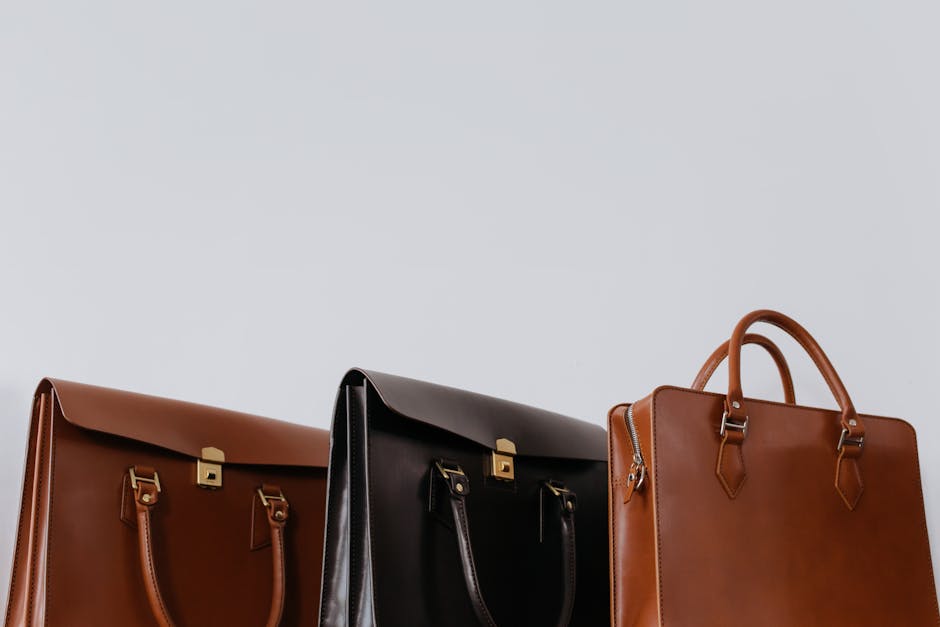
Feel the Frame: Hold the bag and press the sides gently. Is it soft and floppy, or does it keep shape? A structured bag will resist collapsing and provide flat surfaces. Inspect the Interior: Look for a dedicated flat compartment or sleeve for papers and your laptop. Avoid bags marketed as “laptop friendly” that don’t include a padded sleeve. If possible, use a ruler or flat folder to see if the compartment is truly flat and snug. Test Zippers and Closures: Zippers can make or break your experience. Open and close several times to test for smoothness and durability without sticking or seeming flimsy. Check Straps and Handles: Make sure handles are securely attached—not just glued, which can peel or break over time. Von Baer (vonbaer.com), a brand known for quality, offers bags with robust stitching and reinforced handles that stand up to daily wear.
Use the Mirror Check for Proportions
Before purchasing, hold the bag up in front of a full-length mirror wearing your usual work attire. Does the bag look proportional with your frame and outfit? If the bag overwhelms your silhouette or looks out of place, you may want to consider different dimensions or styles.
Remember, a bag that doesn’t fit your personal scale or style might tempt you to overload or carry it awkwardly, impacting both comfort and the integrity of your documents.
Do the In-Store Walk Test with Laptop-Sized Weight
If you're able to test a bag in-store, bring something close in size and weight to your laptop or files. Ask to try carrying the bag loaded with similar weight around the store or office hallway for a few minutes. This test reveals:
- If the straps dig into your shoulder or hand If the bag maintains shape under weight How the weight is distributed and balanced
Remember, even the prettiest bag is impractical if it makes your commute a pain or allows papers to shift and crease.
Why Leather Is Still the Go-To Material
Leather, aside from its timeless appeal, stands out as the best material for a work briefcase or any structured bag intended to protect documents. For an in-depth https://www.stellaswardrobe.com/how-to-choose-a-professional-work-bag-for-the-office/ look, you can check out Wikipedia’s leather page, which covers everything from sourcing to finishing.
High-quality, full-grain leather inherently holds shape well, develops a unique patina signaling authenticity over time, and can resist dents or folds with proper care. Synthetic bags can be lighter, but often sacrifice structure and longevity, leading to faster creasing and sagging inside.
Brands like Von Baer (vonbaer.com) specialize in leather bags designed with sturdy internal frames and flat document compartments that prioritize function as much as style.
Final Checklist for Buying a Work Bag That Keeps Documents Flat
Criteria What to Look For Size & Capacity Fits your real daily carry; room for laptop + files without cramming Structure Firm frame and flat compartments to prevent creasing Material High-quality leather or durable, thick synthetics; no peeling or cheap plasticky finishes Hardware Smooth zippers; reinforced handles and straps (no glued-only attachments) Style Compatibility Appropriate for your dress code and professional vibe Comfort Try with equivalent weight; straps and handles feel comfortable on your body Proportion Mirror check to ensure size and color complement your outfitBonus Tip: Always Carry a Folded Tote Inside
Here’s a little quirk from my daily routine: I keep a folded tote inside my main work bag. It’s perfect for quick grocery runs or unexpected extra items. More importantly, when you shove additional bulk items into your structured main bag, this tote helps protect the interior documents from direct pressure, adding an extra layer between your work essentials and random extras.
Conclusion
Choosing a work bag that keeps your contracts and documents crease-free means focusing on real daily needs, understanding the signals different styles send, and getting hands-on with construction details before you buy. Test for shape retention, strong craftsmanship, and proper compartment design, and you’ll find a bag that expertly balances style and function. Check brands like Von Baer for quality leather options designed with real professionals in mind.
With these tools and tips, you’ll be one step closer to a work companion that carries your paperwork with pride—and without a wrinkle in sight.