Picture this familiar scene: You’re rushing from your car to the front door, teetering slightly as you adjust to the tension on your feet after a long day in heels. That pins-and-needles sensation creeping into your toes — or worse, a burning discomfort between them — is never fun. But how long is too long for toe numbness after wearing heels? When does this irritating feeling cross from a temporary quirk of footwear to a red flag that needs medical attention? Let’s dive into the mechanics behind toe numbness, what stretches and comforts can help ease it, and when to get it checked.
Why Do Our Toes Go Numb After Wearing Heels?
You know what's funny? first, it’s useful to understand why this numbness happens before chasing quick fixes. Last month, I was working with a client who was shocked by the final bill.. The culprits are usually a combination of forefoot load, toe box compression, calf shortening, and the subsequent posture changes that occur when walking or standing in heels.
Forefoot Load and Metatarsal Pain
When you wear heels, the angle of your foot shifts significant body weight forward, heavily loading the metatarsal heads — the long bones right behind your toes. This amplification of pressure in the forefoot can inflame the nerves, causing that classic “burning” sensation between toes or numbness in the tips themselves.
Toe Box Compression and Nerve Irritation
Imagine cramming your toes tightly into a narrow shoe all day. That toe box compression doesn't just squish your toes; it squeezes the small digital nerves running between them. This trapped nerve irritation can create sensations like tingling, burning, or numbness that linger after you kick the shoes off.
Calf Shortening and Reduced Ankle Range of Motion
With heels elevating the heel bone, your calf muscles shorten to maintain balance. Over prolonged periods, this contraction reduces your ankle’s natural range of motion, making it tougher for your foot to — pardon the pun — flex back to normal. This altered biomechanical positioning can exacerbate nerve irritation and foot fatigue, contributing indirectly to numbness.
Posture Changes and Lower Back Stiffness
Believe it or not, wearing heels changes more than https://highstylife.com/how-to-reduce-swelling-in-feet-after-standing-all-night/ just your feet. It shifts your center of gravity forward, causing compensatory changes in your posture. This can lead to tightness and stiffness in your lower back, which, through complex nerve pathways, can sometimes correlate with sensations of discomfort or numbness in the legs and feet.
How Long Is Too Long for Toe Numbness After Heels?
Most mild numbness or tingling after a few hours in heels should dissipate within minutes to a few hours once you’re barefoot and resting. However, if your numbness lasts beyond this — especially for several hours or up to 1 to 2 days — it’s signaling that nerve irritation might be more severe or sustained.
Numbness lasting 1 to 2 days, or persistent burning between toes, is not normal and warrants a closer look. Prolonged Check over here nerve compression can lead to numbness becoming more constant, altering foot function or causing weakness. Ignoring these signs could set you up for more chronic issues such as Morton's neuroma or entrapment neuropathies.

The “Car-to-Door Wobble” as a Signal
You might notice an unsteady shuffle when stepping out of your car after a long event in heels, when your toes feel numb or weak. This subtle “car-to-door wobble” is your body’s way of signaling decreased foot control or proprioception, usually tied to nerve irritation or muscle fatigue.
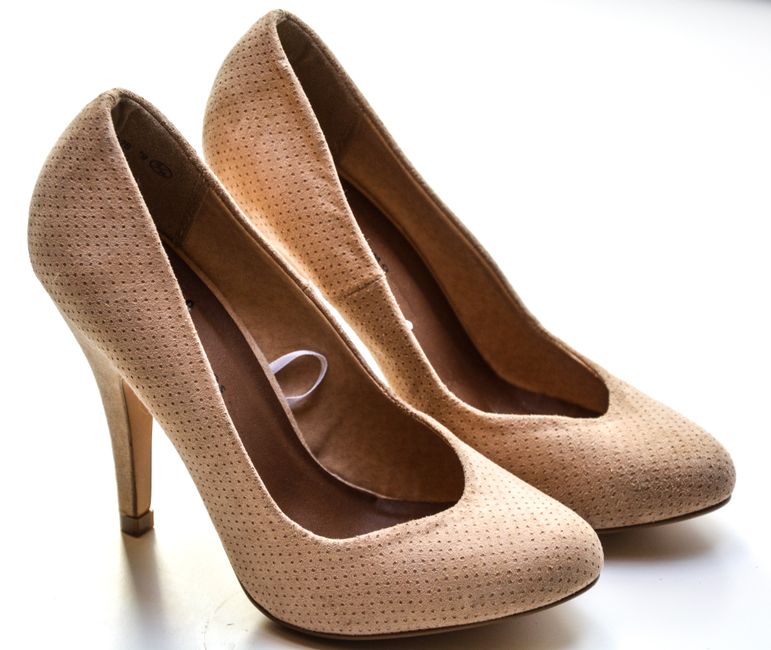
If you experience these effects regularly after wearing heels, or if the numbness doesn’t improve after you’re off your feet, it’s time to get it checked by a podiatrist or neurologist.
Proven Tools to Relieve Post-Heel Foot Numbness
If your toe numbness is mild or just starting, some practical, low-tech tools and self-care can help ease your symptoms and prevent worsening.
Using a Tennis Ball for Foot Rolling
I always keep a tennis ball in my drawer — not just for my love of tennis but for rolling out the bottom of my foot after a day in heels. Rolling a tennis ball under your arch releases tension in the plantar fascia and improves circulation. This can soothe nerve irritation contributing to numbness and improve foot mobility.
- How to do it: While seated, place the tennis ball under the arch of your foot and gently roll back and forth for 2-3 minutes each foot. Why it works: This stimulates blood flow, helps release tightened muscles and fascia, and lightly massages tiny nerves to reduce numbness.
Chilled Water Bottle for Cooling Inflammation
Plantar and toe nerve irritation often come along with inflammation. A simple chilled water bottle can double as a soothing cold compress and a foot roller.
- How to do it: Freeze a water bottle then roll it gently under your foot for 5-10 minutes. Why it works: The cold reduces local inflammation, dulls burning sensations, and the rolling action massages tight tissues, easing nerve compression.
Topical Support: Joy Organics 1000mg CBD Cream
For those looking for additional relief, a high-quality topical like the Joy Organics 1000mg CBD Cream can be a welcome addition to your routine. Many find this cream helpful for calming inflammation and soothing nerve pain thanks to its carefully extracted CBD combined with natural botanicals.
A word of caution about vague wellness claims: only choose products that clearly state their potency, like Joy Organics does with their 1000mg formulation, so you know exactly what you’re applying.
Applying a small amount after rolling with your tennis ball and chilled water bottle session can help relax the soft tissues and might reduce lingering numbness and discomfort. Always patch test for sensitivity and consult your healthcare provider if you have any medical conditions.
Stretching Beyond the Calf: Don’t Ignore the Soleus
I can’t stress this enough: many stretching routines leave out the soleus — a deeper calf muscle that plays a huge role in ankle mobility. Soleus shortening further reduces ankle dorsiflexion, worsening nerve compression in the forefoot.
Incorporate soleus stretches by bending your knee slightly in a calf stretch against the wall or a step to effectively lengthen this muscle and improve ankle range of motion.
Signs It’s Time to See a Professional
Symptom Suggested Action Numbness resolves within an hour after removing heels Continue self-care, monitor symptoms Numbness or burning between toes lasting 1 to 2 days See a podiatrist for nerve evaluation Persistent foot weakness, balance issues, or altered walking Seek neurological assessment promptly Lower back stiffness continuing alongside foot numbness Consider physical therapy consultationFinal Thoughts: When to Cut Your Heel Time Short
Heels will always command a spot in events, weddings, and sometimes work. But your feet shouldn’t be sacrificed to pain or numbness that outlasts hours, let alone days. If you notice burning between toes or nerve symptoms that linger beyond a foot massage with your trusty tennis ball, or after cooling your soles with a chilled water bottle, don’t ignore it.
Tools like the Joy Organics 1000mg CBD cream can ease symptoms but aren’t substitutes for diagnosing underlying issues. Keep your ankle flexible by also targeting the often-missed soleus muscle in your stretching and invest in well-fitting shoes, choosing pairs with a roomy toe box to reduce nerve irritation.
Remember, numbness is your body’s alert system. If the warning signs last 1 to 2 days or worsen, it’s time to get it checked. Your feet support everything you do — treat them with respect, and they’ll carry you comfortably through all your big moments.