Let’s have a proper chat, shall we? You’ve been hovering over the 'adopt' button, or perhaps you’re looking at a breeder’s puppy list, and you’re feeling that familiar mix of excitement and cold, hard panic. You’ve seen the "how much does a dog cost" articles that claim you can get by on a bag of kibble and a bit of love. Spoiler alert: they are lying to you.
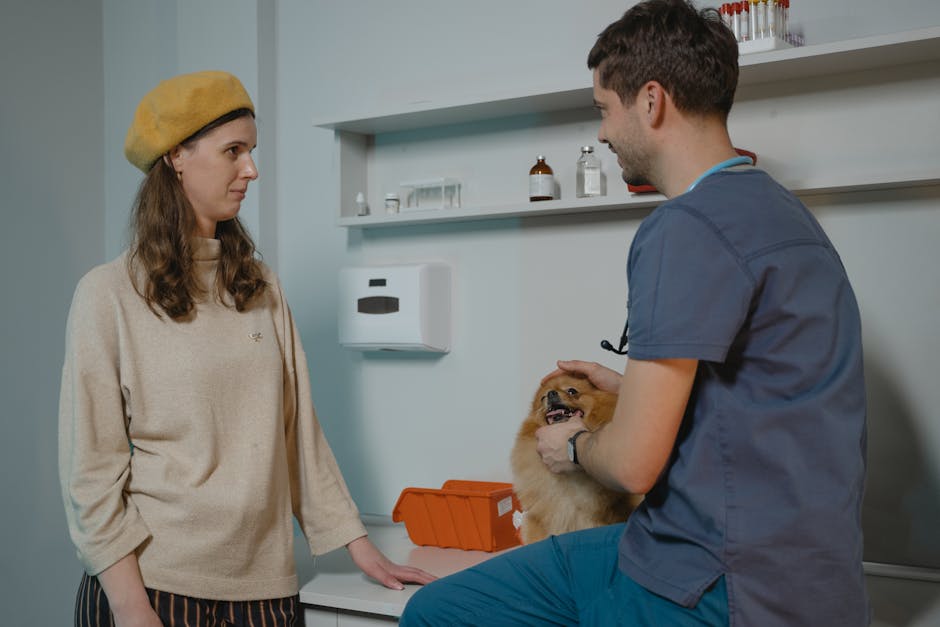
After nine years of documenting our family life—and paying for a fair few unscheduled trips to the emergency vet in the middle of the night—I’ve learned that the secret to keeping your sanity isn’t to ignore the cost, but to label it. Literally. If you look at my banking app, you’ll see a pot specifically labelled "The Dog Fund." It’s not an optional extra; it’s a non-negotiable line item, right alongside the mortgage and the council tax.
Planning a realistic dog budget doesn’t have to result in a meltdown. It just requires a bit of brutal honesty about what’s ahead.
The First-Year Setup Shock: It’s Not Just a Bed and a Bowl
The upfront cost of bringing a dog home is the easiest part to underestimate because it’s a death by a thousand papercuts. If you’re going down the route of rescuing—which I always champion—you’re looking at a rescue adoption fee of around £200. That’s a bargain, but it’s just the starting gun.
Here is what the "hidden" first year actually looks like:
Item Estimated Cost Notes Adoption/Purchase Fee £200 - £2,000+ Depends on rescue vs. breeder. Crate, Bedding, Bowls £150 - £300 Buy quality once, or buy twice. Initial Vaccinations/Health Checks £100 - £200 Often included in rescue fees. Spaying/Neutering £250 - £450 Varies wildly by dog size/vet. Training Classes £100 - £300 Essential for avoiding future furniture replacement.(And a quick note to my tech-savvy readers: if you’re trying to check my latest "Doggy Finances" spreadsheet on the site and seeing that annoying WordPress error message about an expired access token for my Instagram feed—I’m on it. My developer husband is currently "fixing" it, which is code for us arguing over whose turn it is to make tea. The feed will be back soon, but the numbers in this post are live and accurate!)
Breed-Driven Differences: Why Grooming Isn't Optional
I get genuinely annoyed when people suggest that grooming is an "optional" expense. If you’re looking at a curly-coated breed—a Cockapoo, a Poodle, or a Labradoodle—please, for the love of all that is holy, do not skip the grooming budget. These dogs don't shed in the traditional sense; they mat. And when they mat, they suffer.
If you don’t have the budget for a professional groomer every 6-8 weeks (which, in the UK, can easily run you £60-£90 per session), then that breed is not for you. It’s not just about looking pretty; it’s about hygiene and skin health. Ignoring this is how you end up with a vet bill that makes a professional groomer look like a weekend bargain.
The Real-World Monthly Running Costs
Once the initial setup is settled, you move into the phase of "routine maintenance." According to the PDSA Animal Wellbeing Report (PAW Report), the cost of living for our pets is climbing, just like our own. You cannot afford to be vague here. A family pet cost checklist should always include the following monthly estimates:
- High-Quality Food: Don't buy the cheapest stuff. You’ll pay for it in vet bills later. Insurance: Do not just pick the cheapest policy. Read the exclusions. Look at the annual limits. I personally recommend looking into Perfect Pet Insurance because they offer clear, transparent coverage options that don't leave you guessing when you’re already stressed at the vet’s desk. Parasite Control: Flea, tick, and worming treatment is monthly. Do not skip this. The "Dog Fund" Buffer: This is my most important tip. Even with insurance, you need an excess fund.
The Emergency Vet Reality Check
I remember it like it was yesterday—a Tuesday night, 11:00 PM, and our pup decided that the heel of a discarded walking boot was a five-course meal. The emergency vet fee alone was north of £300, plus the cost of the scan. That wasn't in the "kibble and love" budget. That was a "thank goodness I have a Dog Fund" moment.

When looking for advice, ignore the bloggers who claim you can avoid these costs if you’re just "proactive." Accidents happen. Dogs get into things. Insurance helps, but insurers have exclusions, and annual limits are a very real thing that can catch you out. Always check your policy wording twice.
A Strategic Approach to Your Budget
If you’re feeling overwhelmed, follow this step-by-step dog ownership decision plan:
The "Three-Month Rule": Before you get the dog, try living on the monthly dog budget for three months. Put that money into a savings account. If you can’t manage that while paying your current bills, you aren’t ready for the recurring costs of a pet. Check the PAW Report: The PDSA provides excellent, data-backed insights into the true cost of ownership. Use their tools to benchmark your local costs. Research Rescues: Organizations like Battersea Dogs & Cats Home are fantastic resources. They are often incredibly transparent about the health history of their dogs, which can help you avoid "surprise" medical costs later on. Schedule the Groomer: Before you even bring the dog home, find a groomer and ask for a price list. Factor that into your monthly budget.Final Thoughts
I know this sounds like a lot. And honestly? It pet insurance for older dogs is. Dog ownership is a massive financial and emotional commitment. But if you walk into it with your eyes wide open, your budget labelled, and a clear understanding that grooming and medical emergencies aren't "surprises"—they are part of the process—you’ll be a much better dog parent for it.
Don't be the person who gets a dog and then has to rehome them because the costs were a "surprise." Be the person who planned, prepared, and ensured that the only thing you Find more information have to worry about on a Tuesday night is whether or not your pup is going to try and steal your slippers again.
Got questions about specific insurance excess costs or local grooming prices? Drop a comment below—I read every single one, even if I’m still battling that pesky WordPress error!