After twelve years of trekking across the UK, from the rugged coastlines of Northumberland to the historic wynds of Edinburgh, I have developed a singular, reliable habit: the moment I step into a ceremony space, I clap my hands. Not for applause, but to listen. I listen to the echo. Does the room swallow the sound, or does it bounce off the stone walls until the vows are lost in a reverb-heavy blur?
Couples often come to me with a mood board they have painstakingly curated on Pinterest. It is almost always a collection of "light-filled wedding" aesthetics—white linen, floor-to-ceiling windows, and ethereal, sun-drenched photography. But here is the truth that the algorithm won't tell you: an obsession with natural light can sometimes lead you to overlook the soul of a building.
When you spend your weekends scouting venues, you stop seeing "stunning" everywhere—a word I frankly despise because it is a lazy substitute for architectural analysis—and you start seeing the difference between a shell that needs constant decorating and a space that already tells a story.
The Pinterest Paradox: Why Reality Beats the Scroll
We have all fallen for the trap. You see a perfectly lit, airy room on Want That Wedding, and you assume that your wedding will automatically mirror that tranquility. But Pinterest provides a static snapshot of a specific time and day. It does not account for the cloud cover in Northumbria on a Tuesday in November, nor does it tell you that the aisle you are eyeing is a mere 90cm wide—far too tight for a gown with a decent train once the guests are seated.
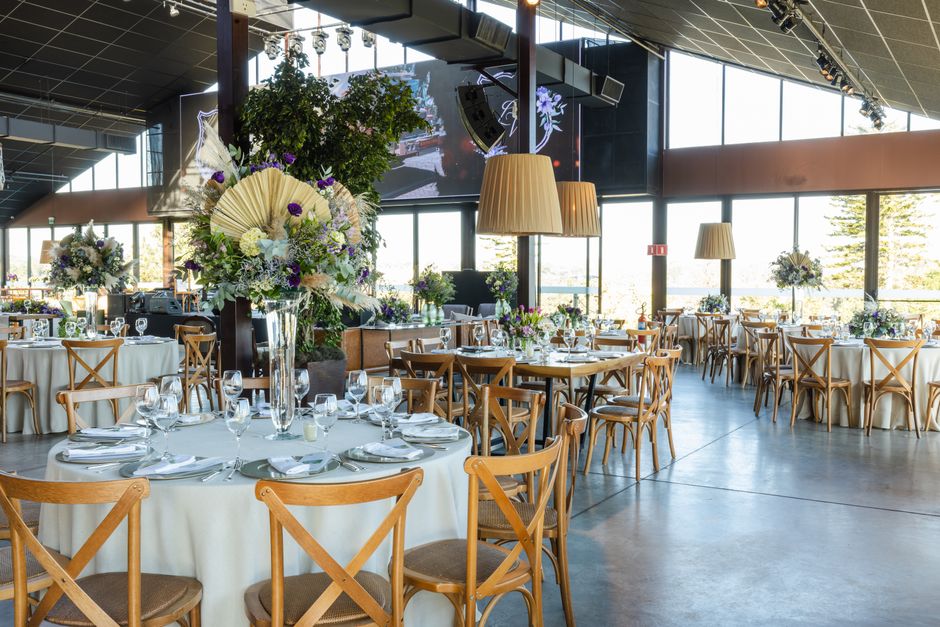
In my kit bag, right alongside my notebook, is a tiny, retractable tape measure. If a venue boasts about being a "blank canvas," I am immediately suspicious. Blank canvases are rarely easy; they are often voids that demand thousands of pounds in floral installations to hide a lack of character. Instead, I urge you to look for architectural texture. Does the room have history? Is there a sense of place? A building that breathes with the history of its locale will provide more atmosphere than any DIY balloon arch ever could.
The Case for the Natural Light Wedding
There is a undeniable logic to the "natural light" preference. Photographers love it because it’s forgiving. A bright, airy space makes everyone look like a protagonist in a period drama. If you are planning a daytime ceremony followed by a long, leisurely lunch, natural light is your best friend. It feels celebratory, fresh, and uncomplicated.
However, the danger here is "over-brightening." I have visited venues where the glare is so intense that guests are squinting throughout the vows, and the heat builds up like a greenhouse. When scouting, I always check the window placement. Are they north-facing? Will the sun be directly in your eyes during the exchange of rings? These are the logistical "rain plan" realities that Pinterest rarely explores.
Consider The Venue at Eskmills. It is a fantastic example of a space that balances modern refinement with an industrial edge. It manages to feel open and airy without sacrificing that essential sense of place. It’s a space that leans into its identity rather than trying to mask its bones with excessive, generic décor. When a venue has that level of integrity, it doesn't matter if it’s sunny or overcast—the room holds its own.
The Moody Reception: Embracing History and Atmosphere
Then, there is the "mood lighting reception." There is a romantic, tactile quality to older, darker spaces—think exposed timber, velvet curtains, or deep stone masonry. These spaces excel at https://smoothdecorator.com/is-a-light-filled-wedding-venue-better-than-a-moody-one/ storytelling. They don't need you to bring the vibe; the room provides it.
When you opt for a moody, candle-lit aesthetic, you are embracing intimacy. You are creating a "cocoon" effect. The photography considerations change here, of course—you need a photographer who is a master of low-light, high-ISO shooting, or your photos will end up as grainy shadows. But the payoff? A sense of history that feels grounded, authentic, and utterly timeless.
The Comparison: Light vs. Moody
Feature Light-Filled Venues Moody/Historic Venues Primary Atmosphere Ethereal, fresh, classic Intimate, dramatic, historic Decor Needs Minimal, often requires 'softening' Needs lighting design, complements antiques Photography Easy, reliable for natural light Requires technical skill with flash/low-light Acoustics Often echoey due to glass/hard surfaces Often warmer, better for speechesHow to Choose: The Venue Scout’s Checklist
Whether you lean toward the sun-bleached look or the shadowy, romantic vibe, your choice should always be rooted in the reality of the building. Before you sign a contract, keep these factors in mind:
The Acoustic Test: Go into the space when it’s empty. Clap. If it sounds like a cathedral, imagine 100 people talking in there. The noise will be deafening. If it sounds "dead," the acoustics will be much kinder to your speeches. Aisle Widths: Use your tape measure. If the aisle is less than 1.2 meters, you are going to be brushing against your guests’ knees. It changes the ceremony dynamic from "procession" to "commuter train." Rain Plan Realism: If the venue sells itself on a "gorgeous terrace," where do you go if the heavens open? Is the indoor alternative just as "stunning," or is it a repurposed storage area with bad strip lighting? If the rain plan is underwhelming, walk away. The "Photo Corners" Audit: Walk the perimeter. How many distinct spots are there for portraits? You don't want all your photos to look identical. You want at least three unique "looks" within the venue footprint.The Digital Echo: Sharing Your Vibe
In our social-first culture, converted heritage wedding venues we are constantly thinking about the shareability of our day. We imagine the Facebook albums, the X threads, and the inevitable Instagram carousel. But be wary of choosing a venue just because it "looks good on camera."
I have seen venues that are absolute showstoppers on Pinterest, but once you arrive, the air is stagnant, the toilets are two corridors away, and the flow of the building makes no logical sense. A wedding is a living, breathing event, not a static image. You want guests to move through the space seamlessly, from the ceremony to the drinks, to the feast. If the layout is forced, the party will stall.
When you share your day on Facebook or X, people will comment on the beauty of the room. But what you want them to remember—and what you will look back on in ten years—is the feeling of the space. Did it feel like a party? Did it feel like you? That is authenticity.
Final Thoughts: Don't Compromise on Character
Is a light-filled venue better than a moody one? Neither is superior. What matters is the architecture, the acoustics, and the realism of the management team. I would rather photograph a wedding in a perfectly curated, moody, 18th-century library than a "blank canvas" white box that has been frantically decorated to look like something it isn't.
Stop chasing the "stunning" label and start chasing the "story." Find a venue that has a heartbeat. Whether that heartbeat is illuminated by the morning sun streaming through a vaulted window or flickering in the glow of a hundred dinner candles, you will know it when you stand in the room and feel the space hold your attention.
If you find yourself stuck, look for the venues that don't need to try so hard. The ones with architectural texture, a solid rain plan, and an aisle wide enough to walk down with confidence. That, my friends, is where the real magic happens.