If you look at any major streaming service, social media feed, or iGaming platform, you will notice a recurring pattern: they aren't trying to offer you the best option. They are trying to offer you every option.
As a strategist who has spent a decade watching users interact with digital products, I’ve seen the same boardroom debate play out a hundred times. Product managers argue, "Let’s focus on five high-quality games or videos to reduce decision fatigue." The data team inevitably pushes back, citing the need for extensive game libraries. They aren't trying to be "artisan"; they are trying to be a casino. And they are winning.
Let's look at why platforms prioritize massive content catalogs over quality, why personalization isn't a magic wand, and why your favorite platforms are terrified of you ever running out of things to do.
The Retention Engine: Why "More" Equals "Sticky"
When a platform talks about "user retention," they aren't talking about how much you enjoy their content. They are talking about how effectively they can prevent you from closing the app.
Think about Mr Q (mrq.com). If they only had three games—even if those three games were masterpieces—you would finish them. Once finished, you would leave. The goal of a massive library is to ensure that you never hit a "dead end." By providing a never-ending scroll of content, these platforms rely on the psychological phenomenon where we fear missing out on something better just around the corner.
When you have 500 games or 5,000 videos, the platform is betting on "frequent, short-session engagement." They don't need you to watch a three-hour movie; they need you to open the app for five minutes while you’re standing in line for coffee. If the library is infinite, you’ll always find a "snack" to consume.
The Social Feed as a Library
Facebook isn't a social network in the traditional sense anymore; it’s a personalized library of content. Every time you refresh your feed, the library updates. It isn't curated for your intellectual enrichment; it’s curated for the highest probability that you will scroll for another thirty seconds.
Gamification: Beyond the Video Game
You’ll hear marketers rave about "gamification" as if it’s a shiny new toy. Let’s translate that: gamification is just manipulating human psychology to make chores feel like wins.
Both Facebook and iGaming platforms like Mr Q use these mechanics masterfully:
- Variable Rewards: You scroll because you might find a funny video or a big win. You keep coming back because the next one might be "the one." Progress Bars: Platforms love showing you how close you are to a "level up" or a "profile completion." It’s designed to make you feel like you’re achieving something, even if you’re just clicking buttons. Badges and Streaks: This is classic Skinner-box conditioning. If you stop using the app, you lose your streak. The platform is weaponizing your need for consistency.
This isn't about better user experience. It's about keeping you tethered to the interface. When a platform offers a massive library, they are essentially providing a buffet. Even if you're full, the sheer variety keeps you picking at the plate.
The Personalization Trap
We are told that recommendation algorithms make our lives easier. "We help you find what you like," the marketing copy says. Let’s be real about the tradeoff: personalization is a surveillance tax.
carladiab.orgTo give you a "curated" experience, the platform must track every hover, every click, and every micro-pause in your scrolling. They use this data to feed you more of what you've already consumed. This creates an echo chamber. While it keeps you engaged, it narrows your world. When a platform brags about "better engagement" through AI, what they are actually saying is, "We have perfected our ability to show you exactly what will keep your eyes glued to the screen, whether it’s good for you or not."
The Elephant in the Room: The "Free" Price Tag
There is a massive, glaring omission in most discussions about content catalogs: the price. I’ve noticed a pattern in scraped marketing copy and user reviews for these apps: the actual financial cost is almost always hidden behind layers of UI.
Platform Type Primary Content Hidden Cost Social Media (e.g., Facebook) Personal Updates/Ads Your behavioral data and attention. iGaming (e.g., Mr Q) Slots/Table Games Actual cash deposits disguised as "play." Streaming Video/Media Monthly subscription + your data profile.When you look at a site like Mr Q, they emphasize their "extensive game library" and "no wagering" policies. That sounds great, but the price—the amount you have to deposit or the rate of return on those games—is rarely the highlight of the marketing copy. Why? Because platforms know that if you focus on the price, you might actually stop and think, "Is this worth my hard-earned money?" Instead, they direct your focus to the variety of games, the smooth interface, and the ease of play. By flooding your vision with options, they move the price from the foreground to the background.
Mobile-First Habits: Shortening Our Attention Spans
We have entered the era of mobile-first entertainment. Your phone is a portal, and these platforms are competing for the "micro-moments" of your day.
They aren't designing for long, deep-focus sessions. They are designing for the bathroom break, the commute, and the wait at the doctor's office. This is why a huge library is so essential. If you only had three options, you would get bored within a week. With a massive library, the platform ensures that no matter what your mood is during those five minutes of downtime, there is something there to trigger a hit of dopamine.
Why "Better" is a Vague Metric
You will often see companies promise "better engagement" through their new library upgrades. I hate this term. It’s a classic piece of marketing fluff.
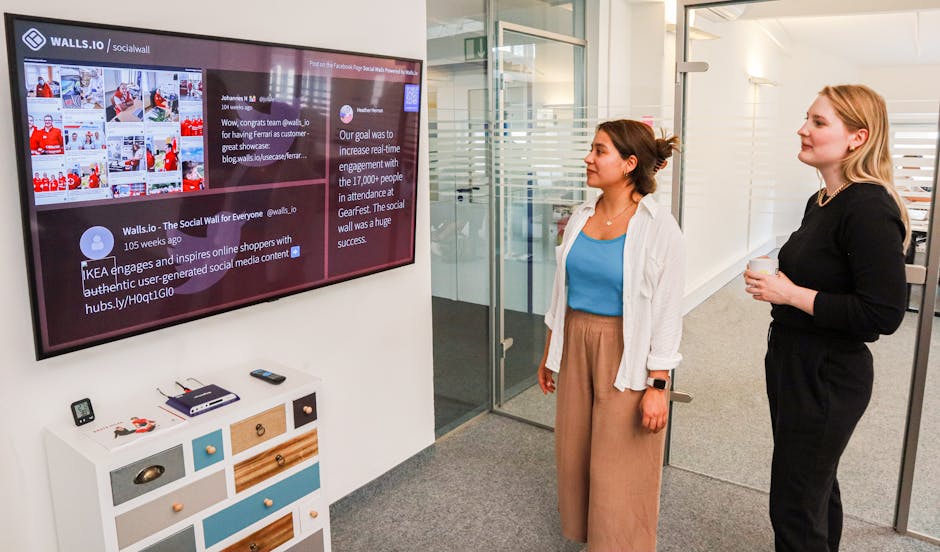
What does "better" mean?
Does it mean the user is happier? Does it mean they spend more time in the app? Does it mean they spend more money?In the world of product design, "better" almost exclusively means #2 and #3. When a platform tells you they are improving your experience by adding 200 more games to their catalog, ask yourself: did I have a problem finding something to play, or did they have a problem keeping me from leaving?

Conclusion: The User vs. The Algorithm
Building massive libraries is a business strategy designed to minimize the friction of boredom. By providing an infinite scroll of choices, platforms like Facebook and Mr Q remove the "exit points"—those moments when you finish a task, look up, and realize you could be doing something else with your time.
As a user, being aware of this is your only defense. When you find yourself mindlessly scrolling or clicking through an endless list of games, remind yourself that the library wasn't built to provide you with the best experience. It was built to make sure that the experience never actually ends.
Next time you’re choosing between options, don’t let the sheer volume of a catalog overwhelm your judgment. Quality is always better than quantity, but the platforms have a vested interest in making sure you never get the chance to discover that for yourself.