Sleep Log Entry: 02:14 AM. Total sleep duration: 5 hours, 12 minutes. REM cycle interrupted by a mid-week attempt to master a low-stakes physics simulator. Productivity tomorrow: Likely suboptimal.
If you look at the way the industry talks about itself, you’d think gaming is nothing but high-octane, sweat-drenched esports arenas, multimillion-dollar prize pools, and professional players with reaction times faster than a caffeinated hummingbird. But when I step away from my test bench, put down the capture cards, and actually look at the metrics—the stuff that keeps the lights on for creators—I see a different reality. The massive, beating heart of the gaming world isn't found in a professional stadium; it’s found in a parent playing a match on their phone during a school pickup line or a teenager messing around with mods on a browser-based remote play service.
Casual gaming content isn't just "filler." It is the dominant force in entertainment today. But why? And, more importantly, what does this change for normal players like you and me?

The Myth of the "Hardcore" Gamer
The industry loves a buzzword. You’ll hear executives talk about "synergy" and "engagement loops" until you’re blue in the face. But let’s cut through the noise: the reason casual content gets millions of views isn't because of a marketing campaign. It’s because it’s relatable.
When I watch a video of someone trying to build a chaotic, failing theme park in a simulation game, I see myself. When I see a professional esports player pulling off frame-perfect inputs in a tactical shooter, I feel a disconnect. I have three kids. I have a job. I don't have the six hours a day required to master a recoil pattern. Most of us don't. Casual content validates the experience of the hobbyist who wants to have fun without needing a degree in micro-management.
What does this change for normal players?
It means the power balance is shifting back to the consumer. Developers are starting to realize that if they don't cater to the "cozy" or "casual" crowd, they are ignoring 80% of the player base. We are seeing more titles focus on accessibility, ease of entry, and social-first mechanics because that is what moves the needle on streaming platforms.
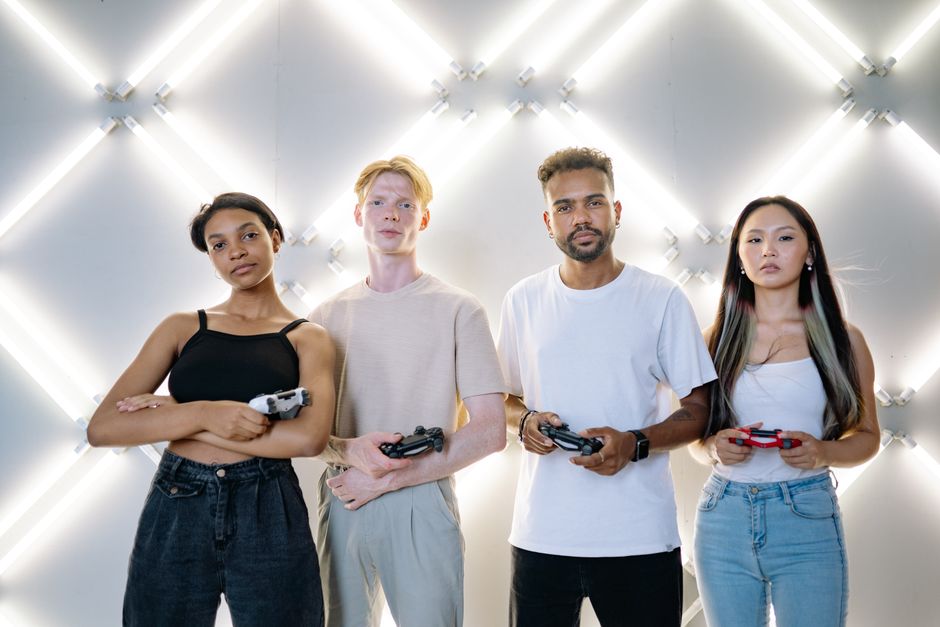
The Rise of Mobile and "Cloud-First" Accessibility
We need to talk about the hardware elephant in the room. Years ago, if you wanted to stream high-end gaming content, you needed a four-figure PC build. Today? You can fire up a browser-based cloud gaming service on a five-year-old tablet.
This accessibility is the primary driver of the casual content explosion. You no longer need to be a "gamer" to consume gaming content; you https://dlf-ne.org/gaming-has-grown-up-why-its-more-than-just-a-teen-pastime/ just need an internet connection. Mobile gaming has bridged the gap between "I check my email" and "I'm a regular player."
Factor Casual Gaming Impact Real-World Context Accessibility High: Mobile devices and browsers Anyone with a phone is a potential player. Content Strategy High: Focus on "vibes" and personality Viewers prefer the creator over the game. Barrier to Entry Low: No expensive hardware needed Cloud platforms have democratized access.
Community-Based Play: The Discord Effect
I remember a time when gaming was a solitary pursuit in the basement. Now, it’s a living room conversation. Platforms like Discord have fundamentally changed how we relate to games. It’s no longer about "winning"; it’s about the group chat.
Creators who foster these communities understand that a game is just the backdrop. The entertainment isn't the game mechanics; it’s the conversation happening while the game is running. When a creator hosts sleep and gaming a "community night" in a low-stakes game, they aren't selling a skill demonstration. They are selling a sense of belonging. As someone who spends his free time managing three children and a household, the idea of "gaming as social connection" is the only thing keeping my sanity intact after the kids are in bed.
Why "Challenge Videos" are the New Primetime
You’ve seen them: "Can I finish this RPG without ever jumping?" or "I played this farming sim for 100 days." These challenge videos are the ultimate form of gaming entertainment today. They offer a structured narrative that feels purposeful but doesn't require the viewer to be an expert in the game's mechanics.
Narrative Arc: They turn a standard game into a story with a beginning, middle, and end. Low Stress: The viewer gets to experience the satisfaction of completion without the burnout of the grind. Relatability: Most challenges involve "failing upwards," which is much more representative of how we actually play.The Dangers of Industry "Health Hype"
Now, I have to step on a soapbox for a second. We see a lot of content creators claiming that specific games "improve cognitive function" or "boost executive function." Look, I’m a gadget tester. I’ve seen enough "brain training" software in my time to know that if a health claim isn't backed by clinical trials or peer-reviewed research, it’s just marketing.
Don't fall for the hype. Gaming is a hobby. It’s entertainment. If you are playing to relax, that’s great. If you are playing because someone told you it’s going to make you a genius, you’re likely just going to end up with a screen headache. Always look for the source of these health claims—if it's not a licensed clinician or a regulated body, take it with a grain of salt.
Final Thoughts: The Future is Casual
The "hardcore" narrative was a relic of a time when we had to justify our hobby to a skeptical world. We don't need to do that anymore. The numbers show that casual gaming content—content that emphasizes community, accessibility, and sheer, unfiltered joy—is what the audience wants.
We are entering an era where gaming is as mainstream as watching a sitcom. It’s no longer about who has the highest rank; it’s about who can provide the best shared experience. As I look at my sleep-tracking data, I realize that the few extra hours of sleep I lose are almost always because I was caught up in a social gaming session. Is it worth it? Probably not for my morning energy levels, but for my social connectivity? Absolutely.
So, next time you see a "low-effort" casual video racking up five million views, don't sneer. Understand that you are looking at the future of digital entertainment. It’s human, it’s accessible, and for once, it’s actually for people like us.