I spent nine years working in a local newsroom, a place where the concept of guide to mindful phone use "downtime" was essentially a myth. We operated on a rhythm defined by hourly deadlines, scanner chatter, and the relentless pulse of the city. Back then, my own "downtime" was a frantic three-minute window between writing a city council brief and heading out to a breaking news scene. If I was lucky, I had time to grab a lukewarm coffee; if I was unlucky, I was answering emails on a Nokia brick.
But times have changed. Today, I write as a lifestyle columnist, and I find myself observing how we’ve traded those massive, multi-hour stretches of "free time" we once fantasized about for something much more fragmented. We live in the era of the micro-break. These predictable downtime examples aren't just spaces between tasks; they are the new infrastructure of our mental recovery. Whether you are waiting for a barista to steam your oat milk or sitting on a train during your morning commute, these pockets of time are where we live our modern lives.
The Evolution of Entertainment: On-Demand vs. Planned
There was a time when downtime was "planned." You had to sit down at 8:00 PM to watch your favorite show, or wait until the weekend to finish a book. That rigidity has evaporated. Today, our daily micro-breaks are fueled by on-demand streaming platforms that have mastered the art of the 10-minute hook. We no longer wait for entertainment; we summon it.
The transition from scheduled programming to on-demand consumption has fundamentally shifted how we view our personal time. When you have exactly six minutes of downtime while waiting for a virtual meeting to start, you don't start a documentary. You scroll to a platform that offers bite-sized, episodic, or interactive content. This "just-in-time" entertainment consumption is a byproduct of our hyper-connected schedules.
Anatomy of a Micro-Break: Why "Mobile-First" Matters
If you’ve ever sat in a subway car with no signal, you know the particular frustration of a broken micro-break. Our reliance on the smartphone as a portal to relaxation means that we have developed a subconscious "mobile-first" expectation. When we find ourselves in a predictable downtime example—like waiting for a prescription at the pharmacy—we expect the apps we open to be frictionless.
This is where design plays a vital role. In the modern landscape, relaxation is contingent on load speed and intuitive navigation. If a streaming platform takes fifteen seconds to load a video, the "small relaxation habit" is ruined by frustration. We have been conditioned to expect instantaneous access. A successful micro-break requires:
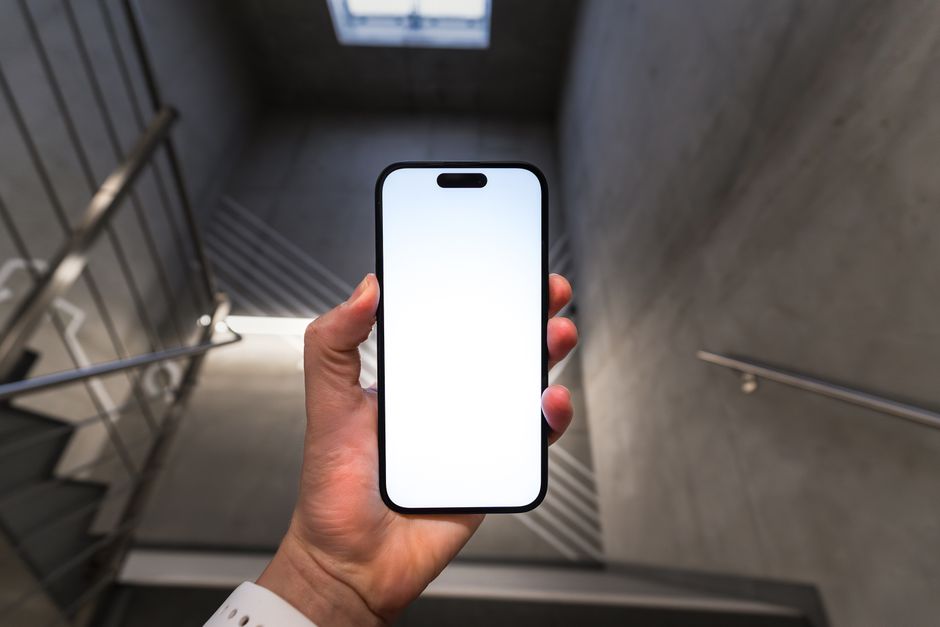
- Instant Accessibility: The app or site must be ready to play the second it opens. Fluid Navigation: We don't want to dig for content; we want the algorithm to know exactly what we need in that specific five-minute window. UI Clarity: When you’re standing in a crowded terminal, you don't have the cognitive bandwidth to figure out a complex interface.
The Shift Toward Interactive and Real-Time Entertainment
Beyond passive scrolling, I’ve noticed a major surge in interactive entertainment during these windows. People aren't just watching anymore; they are engaging. Real-time formats—like live-streamed commentary or interactive news polls—turn a passive micro-break into a moment of connection. These tools allow us to feel like part of a larger conversation, even if we are only physically present for a few minutes.
This is the "Third Space" of our digital lives. It’s not work, and it’s not true leisure (like a weekend getaway). It’s the connective tissue of our daily routines. Using these moments for short relaxation habits, like catching up on a serialized story or participating in a quick digital survey, provides a psychological "reset" that helps us jump back into the next task with a clearer head.
Examples of Predictable Downtime
To help you better identify and utilize these pockets of time, I’ve broken down some of the most common predictable downtime examples we encounter in our daily urban routines.
Scenario Average Time Window Recommended Micro-Break Activity Commuting (Bus/Train) 15–30 Minutes Episodic streaming, long-form articles. Waiting for Coffee 3–5 Minutes Quick news briefs, social updates, or mindfulness apps. Pre-Meeting Lull 2–4 Minutes Light gaming, interactive polls, or quick video clips. Waiting for Appointments 10–20 Minutes Catching up on a series or organizing digital to-do lists. Post-Workout Cooldown 5–10 Minutes Listening to short-form podcasts or music curation.Cultivating Healthy Short Relaxation Habits
While the smartphone is a miracle of efficiency, it can also be a source of stress if we aren't intentional. I often hear from readers who feel "drained" despite having taken plenty of breaks. The problem usually isn't the break itself—it’s the content we choose during those moments. https://highstylife.com/the-pulse-of-the-screen-how-live-formats-are-rewiring-our-downtime/ If your predictable downtime examples consist solely of doom-scrolling or checking work emails, you aren't actually relaxing.
To make the most of these minutes, consider these three strategies for better short relaxation habits:

The Final Verdict: Intentionality is Everything
In my years covering the intersection of lifestyle and tech, I’ve learned that we cannot stop the world from being busy. We cannot force our commutes to be shorter or our wait times to disappear. What we *can* do is treat these micro-pockets of time with the respect they deserve.
When you view your waiting time as an opportunity for genuine mental recovery rather than just a void to be filled, your relationship with your smartphone shifts. It stops being a leash and starts being a tool—one that helps you find a moment of peace, a bit of laughter, or a spark of inspiration, no matter how short the window. The next time you find yourself standing in line or waiting for a meeting to start, don't just reach for your phone to kill time. Reach for it to enhance your day.
After all, those small, predictable moments are where the real texture of our lives is found. Make them count.