When it comes to selecting the perfect briefcase for your daily carry, professionals often find themselves weighing the tradeoffs between a substantial briefcase and an ultra-slim alternative. Among the premium players in this space, brands like Von Baer, Carl Friedrik, and Tumi are well known for catering to various preferences, merging style with functionality.
In this post, we'll explore the key differences between these two categories, focusing on briefcase bulk, capacity vs slim design, and daily carry comfort. We'll also discuss must-have features such as laptop-ready compartments for real 16-inch machines, structure and padding for protection, dedicated A4 document space, and security elements including rare key-locks.
Understanding Briefcase Bulk and Its Implications
Substantial briefcases, often measuring several inches thick, are designed with capacity and protection as priorities. For example, Von Baer's range includes briefcases priced up to $1,895 that balance luxury craftsmanship with functional space. These sturdy bags typically offer several compartments, including thickly padded laptop sleeves and robust exterior structure, allowing professionals to carry everything from multiple tech devices to printed documents without compromising security or shape.
However, this bulk comes at a cost. Firstly, the weight increases noticeably, which can impact daily carry comfort, especially during commutes or business trips where mobility is key. The physical heft can become tedious, particularly when paired with other luggage or during long walks between meetings.
The Bulky Briefcase: Pros and Cons
Pros Cons Ample space for laptop + accessories + documents Heavier carrying weight reduces comfort Excellent padding and structure protects expensive tech Can look too large or cumbersome in formal meetings Separate A4 document compartments keep papers pristine Bulk impacts ability to maneuver in tight spaces (public transport, cafes) Secure closures including rare but reliable key-locks Usually commands a higher price, e.g., $1,895 for Von BaerUltra-Slim Briefcases: The Minimalist Alternative
Ultra-slim briefcases, like those from Carl Friedrik, emphasize sleekness and portability. They cater to professionals who prioritize a lightweight, elegant look over maximum capacity. These bags usually sacrifice some bulk and padding to maintain a svelte profile, which brings up several essential considerations.
While they often claim to fit 15-inch and sometimes even 16-inch laptops, one key annoyance—as a seasoned product reviewer—is that most models struggle with actual 16-inch machines, mainly due to insufficient thickness allowance. Checking not only the screen size but also the laptop's thickness is vital before purchase.
Furthermore, many slim briefcases lack a dedicated, separate A4 compartment, often requiring users to fold documents or place them alongside other contents, increasing wear and reducing organization. They also https://industrytoday.com/best-business-briefcases-for-professionals-in-2026/ tend to use thinner padding liners, which may feel less protective compared to the dense foam or structured walls found in bulkier designs.
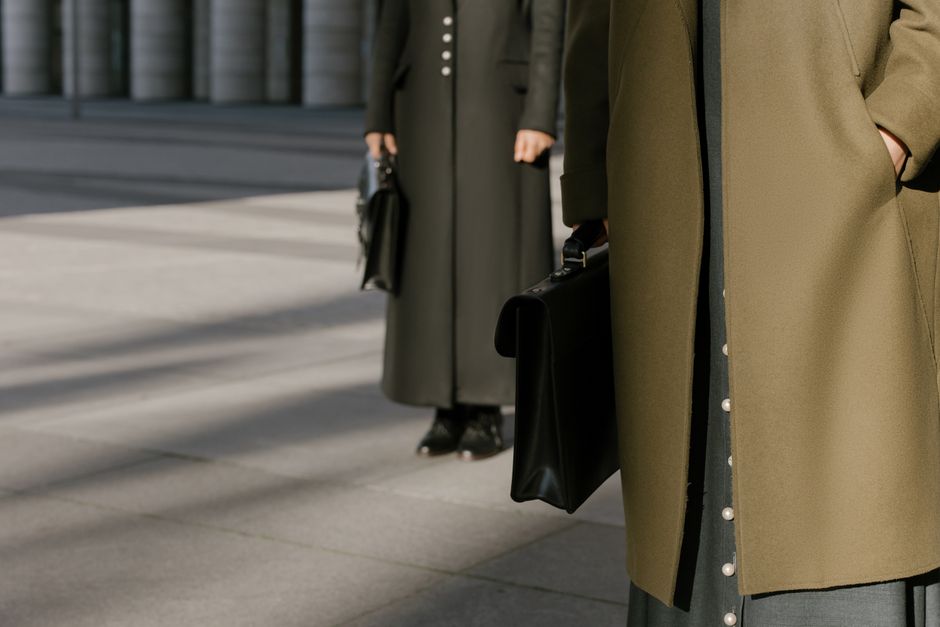
Ultra-Slim Briefcase: Pros and Cons
Pros Cons Lightweight and easy to carry all day Less protective padding, risking laptop safety Streamlined profile ideal for professional settings Limited capacity restricts carrying additional accessories Simple closures create minimal hassle Usually lacks secure key-lock options More affordable options compared to top-tier bulky briefcases Often no separate A4 document compartment, leading to wrinkled papersLaptop-Ready Design: The Real 16-Inch Fit Challenge
A vital aspect to evaluate for any professional briefcase is how well it accommodates your laptop — not just based on screen size but its real-world dimensions including thickness. Brands like Tumi routinely focus on this, offering tech sleeves with sufficient space and structure to house and protect a device up to 16 inches thickly designed laptops, which are increasingly common.
Beware of marketing claims. Many slim briefcases boast compatibility with “15-inch laptops,” but actual modern machines may be closer to 16 inches, or thicker due to protective cases and chargers. A subtle but crucial design feature is the presence of separate A4 document compartments that allow you to segregate paperwork without adding to the laptop compartment bulk.
Protection Through Padding and Structure
Superior padding combined with an internal rigid frame can prevent damage from accidental bumps and drops. Von Baer’s premium briefcases incorporate multiple layers of foam padding with leather or high-end synthetic exteriors that keep the form without sagging or slumping—a pet peeve for anyone who needs to look sharp during meetings.
On the flip side, ultra-slim briefcases often use thin liners that compromise on padding, especially around edges and corners. While this saves weight, the risk of scratches or screen damage increases, particularly when moving between locations with minimal protective cushioning.
Security and Closures: Including Rare Key-Locks
Security-wise, there’s an interesting trade-off between briefcase types. Bulkier models often come with premium closure systems such as key-lock mechanisms—still rare but favored among firms handling sensitive client information. Von Baer and Tumi have embraced this for elite executive collections where theft prevention is paramount.

Conversely, ultra-slim briefcases rely on magnetic snaps, zippers, or simple clasps, which although convenient, don’t offer the same peace of mind against tampering or theft. For professionals carrying confidential documents or high-value equipment, this is a significant consideration.
Balancing Capacity vs Slim for Daily Carry Comfort
At the core of choosing between a substantial or an ultra-slim briefcase is your priority between carrying capacity and daily comfort. A briefcase too bulky may limit your agility and cause fatigue, while a slim bag might constrain what you bring along or compromise protection and security.
Consider your typical workday needs:
Do you regularly carry loose A4 documents? If yes, a substantial briefcase with a dedicated document compartment prevents creases and clutter. Does your laptop measure close to or exceed 1 inch in thickness? Opt for bags tested to accommodate real 16-inch laptops with extra padding for safety. Is security a top priority? Look for models featuring trusted closure systems, including key-locks which offer an additional safeguard. How often do you travel or walk long distances with your bag? For frequent commuters, lightweight ultr-slim briefcases can reduce strain.Conclusion
The choice between a substantial briefcase and an ultra-slim one depends on your professional demands and personal preferences. Von Baer offers exceptional craftsmanship with spacious, structured bags, though at a premium cost nearing $1,895. Carl Friedrik provides more minimalist options perfect for lightweight carries but may fall short in capacity and protection. Tumi occupies a middle ground with emphasis on tech-friendly, secure compartments.
Ultimately, weighing the factors of briefcase bulk, capacity vs slim, and daily carry comfort will help you select a bag that keeps your gear secure, your documents neat, and your presence polished in any working environment.
Watch: In-Depth Briefcase Review
Have you experienced the difference between substantial and ultra-slim briefcases? Share your thoughts below and use the share buttons to let others benefit from these insights.