After nine years working the front desk of a busy esthetics clinic, I’ve heard every possible excuse for a breakout. Clients would come in, desperate for a “miracle serum” to fix their complexion, all while admitting they were catching maybe five hours of light, dull skin tired fragmented sleep and spending their pre-dawn hours scrolling through TikTok in bed. I’ve seen the toll that chronic sleep deprivation takes on the skin barrier. It isn’t just about looking tired; it’s about biological function grinding to a halt.
If you want to improve your skin, you don't need a 10-step routine that costs as much as a car payment. I've seen this play out countless times: made a mistake that cost them thousands.. You need to manage your internal rhythm. And no, I am not going to tell you to "just sleep more." That is the most unhelpful, tone-deaf advice in the beauty industry. Instead, I’m going to give you one specific, actionable change: Set a bedtime alarm.
You know what's funny? most of us focus on a morning alarm to drag ourselves into the day, but we treat our bedtime as a loose suggestion. By setting a hard "stop" alarm for your bedtime—not your wake-up time—you force your brain to acknowledge the transition into restoration. This is the single easiest change that pays dividends for your skin health.
Understanding the Biology: Why Sleep Actually Matters
Your skin is not a static organ. It behaves differently at 2:00 PM than it does at 2:00 AM. During the deep sleep cycles of the night, your body shifts into a state of cellular repair. It is here that your skin increases its rate of mitosis—cell division—to replace the cells damaged by UV exposure and environmental pollutants throughout the day.
To understand what happens when we *don't* sleep, we have to talk about Transepidermal Water Loss (TEWL).
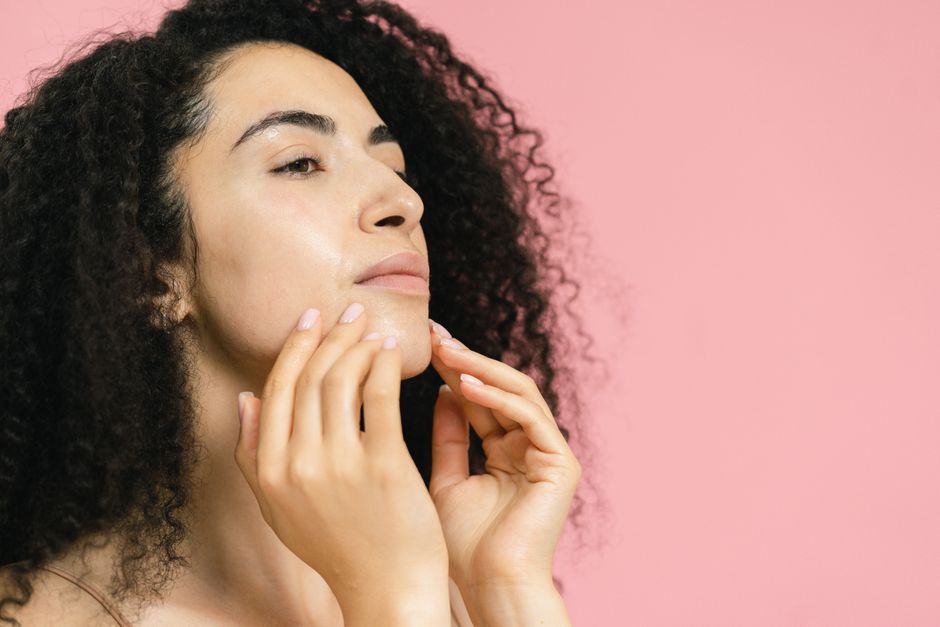
Scientific Term of the Day: Transepidermal Water Loss (TEWL). In plain English, this is the passive process where water evaporates from the dermis (the deeper layer of skin) through the epidermis (the surface layer) and into the surrounding air. When your sleep is disrupted, your skin barrier’s ability to regulate this moisture loss is impaired. Effectively, your skin becomes a leaky bucket, losing the hydration it needs to look plump and resilient.
The Cortisol Connection: Why Stress Equals Breakouts
When you ignore your sleep, you are keeping your body in a state of high cortisol. Cortisol is a glucocorticoid hormone—essentially your body's built-in alarm system. In short bursts, it’s helpful. When it’s chronically elevated because you’re staying up until 2:00 AM, it wreaks havoc on your sebaceous glands.
High cortisol levels trigger an increase in sebum production. If you have acne-prone skin, this is the perfect storm. The excess oil, combined with the decreased cellular turnover caused by poor sleep, creates a clumping effect that traps bacteria in your pores. This is why you often see a cluster of breakouts after a week of poor sleep. It isn't "toxins"—a word I hate because it implies your skin is a dirty filter that needs purging. It’s simply your body’s physiological response to an imbalanced endocrine system.
Product Status Price Compare At Clear Skin Duo Set Sold out $54.95 $64.95While products like the Clear Skin Duo Set (currently sold out on many Shopify storefronts, so keep an eye out for restocks) can certainly help manage surface issues, they are fighting an uphill battle if your cortisol levels are spiking nightly due to sleep disruption.
The "Big Three" of Sleep Hygiene
If you’re serious about seeing skin changes fast, you need to master three environmental levers. These aren't trends; they are non-negotiables for biological recovery.
1. Screen Time Reduction
The blue light emitted from your phone and laptop suppresses the production of melatonin. Melatonin isn't just for sleepiness; it’s an antioxidant that protects the skin from oxidative stress. If you are looking at a screen until the moment your head hits the pillow, you are effectively telling your body that it is noon, not midnight. Try to put the phone away 60 minutes before your "bedtime alarm" goes off. Read a physical book or listen to a podcast instead.
2. The Consistent Bedtime
Your body loves predictability. By going to bed at the same time—even on weekends—you stabilize your circadian rhythm. Consistency allows your body to predict when it should start the "repair cycle," making your nightly skincare routine much more effective. If you use Misumi Skincare, applying these products at a consistent time allows the active ingredients to work in harmony with your body’s natural nightly repair processes rather than fighting against your body's fluctuating stress hormones.
3. A Cool, Dark Room
Thermophysiology is critical here. Your body temperature naturally dips as you fall into deep sleep. If your room is too warm, your body struggles to reach that core-temperature drop required for deep, restorative sleep. A room temperature between 65-68°F (18-20°C) is ideal. Combined with complete darkness, this signals to your brain that it is time to stop producing cortisol and start producing growth hormones that assist in skin repair.
Enhancing the Routine: Wellness Integration
Improving skin isn't just about what you put on your face; it’s about what you give your body to help it wind down. In my time managing spas, I noticed that clients who successfully transitioned to better sleep hygiene often integrated relaxation tools into their evening.
For some, this meant incorporating CBD-based wellness products, like those offered by Joy Organics, to help calm the nervous system before sleep. When your nervous system is in a "rest and digest" state, your heart rate slows and your blood pressure decreases, which improves circulation to the skin. Proper circulation is essential for delivering oxygen and nutrients to the epidermis while carrying away cellular waste.
If you are struggling with breakouts, remember that Misumi Luxury Beauty Care emphasizes the importance of balancing the skin’s environment. However, no amount of luxury care can override the damage done by a chronically exhausted body. You are asking your skin to perform a miracle repair job while you are denying it the hormonal conditions required to do so.

Actionable Steps for Tonight
Don't try to change your life overnight. Start small. Here is your plan of action:
Set the Alarm: Tonight, set an alarm on your phone for 60 minutes before you *actually* need to be asleep. Label it "Skin Repair Start." Phone Exile: When that alarm goes off, your phone goes into another room or a drawer. Do not touch it until the morning. Temperature Check: Lower your thermostat by two degrees. If you don't have AC, use a fan to ensure the room feels cool. Consistency: Do this for 14 days. Don't look for a miracle on day three. Skin turnover takes roughly 28 days, so give your body a full cycle to show you the results of your improved sleep.The Verdict: Is Sleep the Ultimate Skincare Product?
In the nine years I’ve spent around estheticians and dermatologists, I have never seen a skin issue https://technivorz.com/if-i-use-retinol-do-i-need-better-sleep-to-see-results/ that wasn't exacerbated by poor sleep. While the beauty industry loves to sell you the latest "miracle cure," the most potent skincare regimen is the one that respects your biology.
If you are tired of spending money on products that don't seem to work, take a long, hard look at your sleep hygiene. It’s free, it’s effective, and unlike that expensive cream that just sits in your medicine cabinet, it actually addresses the root cause of systemic inflammation and impaired barrier function. Your skin is a reflection of your internal health. If you want it to glow, start by giving it the rest it needs to rebuild.
Stop looking for a miracle in a bottle and start looking for it in your nightly routine. Your skin—and your sanity—will thank you.