For many professionals, a leather briefcase isn't just a bag—it's https://thebossmagazine.com/post/what-to-look-for-in-a-briefcase-that-will-outlast-your-career/ a trusted companion that should improve with age, developing a unique patina and softness over time. Yet, anyone who's ever purchased a “leather” briefcase only to watch it dry, crack, and deteriorate within months might be wondering: why do some leather briefcases crack instead of aging nicely?
To answer this, we’ll dive into the truths behind leather grading, the impact of tanning methods, the role of hardware, and the often-overlooked significance of zippers. We'll mention top names like Von Baer, known for quality craftsmanship, the Italian Cuoio Superiore certification seal signaling authenticity, and why the zipper giant YKK remains the standard. Plus, we’ll clarify misleading terms like “bonded leather” and “corrected grain leather” that muddy the waters for consumers seeking genuine longevity.
Understanding Leather Grade Truth vs Marketing Labels
The first stumbling block for many buyers is decoding the barrage of marketing lingo peppered across product pages. Terms like “genuine leather,” “bonded leather,” and “corrected grain leather” may sound promising but often don’t tell the whole story.
Common Leather Terms Explained
- Full-grain leather: This is the highest quality leather, obtained from the top layer of the hide. It retains the natural grain and imperfections, resulting in greater durability and a rich patina with use. Top-grain leather: A slightly sanded or buffed version of full-grain, this leather removes some imperfections but still ages well. Corrected grain leather: Sanded and embossed to look uniform. It’s treated heavily, and while durable, it won’t develop the natural patina and will sometimes crack if coatings degrade. Bonded leather: Made from shredded leather scraps mixed with polyurethane or other binders. It looks like leather but has very little genuine hide content and will crack and peel quickly. Genuine leather: A vague label that simply means leather is present but says nothing about quality or grade—often lower-grade leather hide.
Sadly, many briefcases advertised as “genuine leather” are actually corrected grain or bonded leather, causing buyers to expect durability that won’t materialize.
Vegetable Tanning vs Chrome Tanning: The Tanning Method Makes a Difference
How leather is tanned influences its appearance, feel, aging process, and durability. The two dominant methods are vegetable tanning and chrome tanning, each with distinctive pros and cons.
Aspect Vegetable Tanning Chrome Tanning Process Uses natural tannins from tree bark, leaves, and plant extracts. Uses chromium salts and chemicals. Environment Eco-friendly but slower process. Faster, but less eco-friendly. Aging Develops rich patina, softens without cracking. More consistent color, but less character over time. Durability Sturdy but can be more sensitive to water. Resistant to water and stains, but can dry out and crack if coatings wear off. Scent & Feel Distinct earthy smell and firm texture. More neutral smell, often softer initially.For briefcases that age beautifully, vegetable-tanned leather remains the gold standard. Notably, brands like Von Baer, which proudly carry the Cuoio Superiore certification seal, only use authentic vegetable tanned leather from reputable Italian tanneries, guaranteeing a natural, slowly evolving finish.
Conversely, mass-market briefcases often use chrome-tanned corrected grain leather or even bonded leather to cut costs, which are more prone to cracking when the protective finishes degrade with time and exposure.

Hardware as the Common Failure Point: Beyond the Leather
While the leather’s quality is paramount, don’t underestimate the role of hardware in the longevity of a briefcase. Locks, rivets, zipper sliders, and clasps often receive plated finishes. Cheap plated hardware flakes and corrodes quickly, diminishing function and aesthetics.
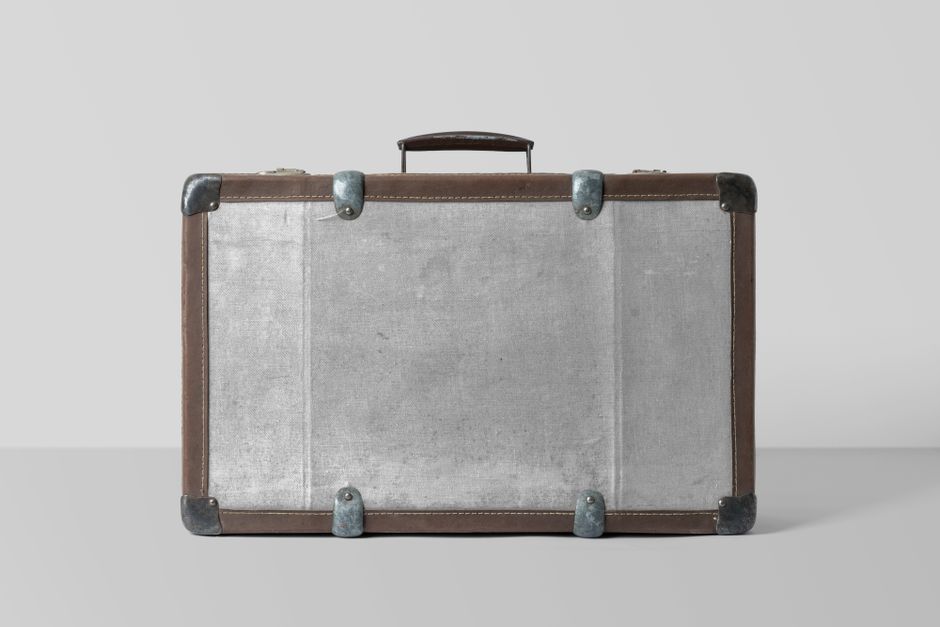
From my years handling warranty returns and repair intake, a frequent complaint is that hardware breaks or peels off far sooner than the leather shows any visible wear. This often triggers an overall negative perception of the product’s quality.
- Von Baer sets industry standards here as well, with robust, unplated brass buckles and fittings engineered to last decades without flaking or corroding. Mass-market briefcases often economize on hardware, which becomes the first failure point and a major contributor to dissatisfaction.
Zipper Quality and YKK as the Benchmark
As someone who always checks zipper brand stamps first, I can attest to how critical zipper quality is to a briefcase’s durability. A zipper failure can render a bag unusable even if the leather is pristine.
YKK is the industry leader and has been synonymous with reliable zippers for decades. YKK zippers provide smooth operation, strength, and resistance to jamming or teeth breakage.
Beware of unbranded or cheap imitation zippers often used in briefcases that crack or fail abruptly. They can get stuck, misalign, or have teeth that separate prematurely. This is an overlooked but vital detail—any high-quality briefcase worth its salt will feature a YKK zipper or an equivalent trusted brand.
Visual Resources for Shoppers and Brands
If you’re researching leather briefcases online, sites like Unsplash and Pexels offer invaluable high-resolution, realistic photos of genuine leather products and craftsmanship. They can help buyers spot authentic textures and finish quality compared to overly “perfect” product shots crafted for marketing gloss.
Summary: How to Avoid Leather Cracking and Buy a Briefcase That Ages Nicely
Demand truth, not vague labels: Look for “full-grain” or “top-grain” leather, avoid “genuine” or “bonded leather.” Prefer vegetable-tanned leather: It ages naturally and won’t crack like heavily coated or chrome-tanned leather. Check hardware quality: Ensure clasps, rivets, and locks are made from solid metals, not cheap plated alloys prone to flaking. Inspect zipper branding: Always look for YKK or equally reputable zipper brands for durability. Certifications matter: Look for seals like Cuoio Superiore to verify authentic Italian tanned leather and craftsmanship. Use credible visual references: Cross-check product images on reputable photo platforms like Unsplash or Pexels for honest leather textures and color.Choosing a leather briefcase that ages nicely requires a discerning eye beyond just the marketing spiel. By emphasizing genuine leather grades, traditional vegetable tanning, durable hardware, and trusted zipper brands, you invest in a briefcase that not only looks superb but will serve reliably for years, perhaps decades.
Von Baer exemplifies this ethos—quality materials, time-tested tanning methods, durable hardware, and impeccable zippers—ensuring your briefcase withstands the rigors of daily professional life and only grows in character.